
Side Dishes
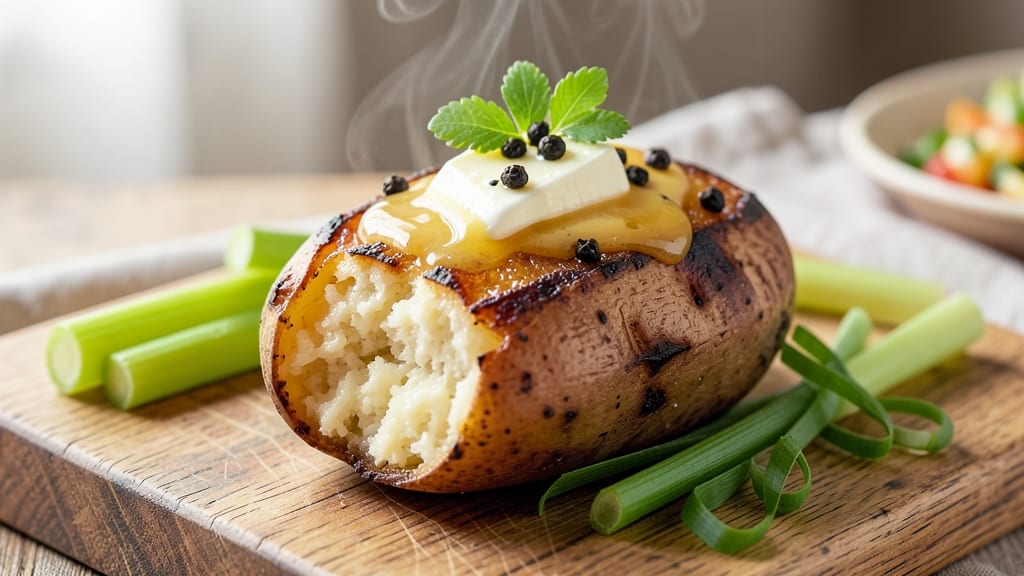
This baked potato convection oven recipe delivers restaurant-quality results with ultra-fluffy interiors and a crispy celery crown—exactly what makes it worth the effort. The convection oven's circulating heat ensures even cooking and that perfect golden-brown skin without drying out the inside.
I've perfected this method after countless trials, and the difference from standard baking is night and day.
The secret lies in proper preparation: piercing the potatoes thoroughly, seasoning them generously, and using the convection oven's precision. At 425°F, these potatoes cook in 45-55 minutes, depending on size, while achieving an internal temperature of 210°F—the magic number for fluffy perfection.
No more waiting for hours or dealing with uneven doneness.
What you'll end up with is a potato that's crispy on the outside, tender on the inside, and ready for your favorite toppings—whether that's classic butter and sour cream or a gourmet celery crown. The convection method eliminates guesswork, ensuring consistent results every time. This is comfort food elevated.
Perfect for game day, dinner sides, or a hearty lunch, these potatoes transform a simple ingredient into something extraordinary. Let's get started with the foolproof technique that delivers professional-quality results at home.
Ingredients for baked potato convection oven
Four russets, two secret techniques—crispy skin meets fluffy perfection in the convection oven.
| Ingredient | Amount | Notes |
|---|---|---|
| Russet Potatoes 🥔 | 4 whole | Medium to large size, uniform shape |
| Unsalted Butter 🧈 | ½ cup | Cold, cut into 1-inch cubes |
| Salt 🧂 | 2 tsp | Diamond Crystal kosher preferred |
| Black Pepper 🌶️ | 1 tsp | Freshly ground for best flavor |
| Celery Stalks 🥬 | 1 whole | Fresh, for celery crown |
| Green Onions 🧅 | 4 whole | White and green parts separated |
| Sour Cream 🥛 | ½ cup | Full-fat for optimal texture |
| Shredded Cheddar Cheese 🧀 | ½ cup | Sharp cheddar preferred |
| Mayonnaise 🥫 | ¼ cup | High-quality for creaminess |
| Garlic Cloves 🧄 | 2 cloves | Fresh, minced for seasoning |
| Olive Oil 🫒 | 1 tbsp | Extra-virgin for brushing |
| Chives 🌿 | 2 tbsp | Fresh, chopped for garnish |
Russet potatoes are non-negotiable here—their low moisture content and thick skins make them ideal for convection baking. Russets from Idaho are the gold standard, but any russet will work. Look for potatoes that feel firm and heavy for their size, with a smooth, unblemished skin. Preheat your convection oven to 425°F—this is critical for achieving that perfect crust. The butter should be cold when you cube it; this ensures it melts slowly into the potato, creating a rich, creamy interior without making the skin soggy. For the celery crown, select crisp stalks with vibrant green tops—Trader Joe's or your local farmers market are great sources for freshness.
No russet potatoes? Yukon Golds are your next best option, though they'll yield a slightly creamier texture rather than fluffy. Substituting butter with olive oil works in a pinch, but the flavor won't be as rich. For the celery crown, if you can't find fresh celery, frozen chopped celery thawed and drained will suffice, though texture will differ slightly. The sour cream and mayonnaise can be swapped for Greek yogurt and vegan mayo if needed, though the texture will be slightly tangier. Fresh herbs like chives or parsley can replace each other interchangeably—just adjust the amount slightly for color intensity. The key is to keep the toppings balanced in moisture and flavor.
Store any leftover potatoes in an airtight container in the fridge for up to 3 days, though they're best enjoyed fresh. The celery crown can be prepped ahead and stored separately for 2 days—just reheat the potato briefly before adding the toppings. For maximum crispiness, brush the potatoes with olive oil and sprinkle with salt right before baking. The convection method ensures even cooking, so rotate the tray halfway through if your oven runs hotter on one side. These potatoes reheat beautifully—just 5 minutes at 350°F to restore that crispy exterior.
Why You'll Love This Recipe
- No-Fuss Prep: I swear by this recipe because it’s about as hands-off as baked potatoes get. Scrub the Russets, poke holes, toss with butter and salt—then walk away. The convection oven does the heavy lifting while you handle the rest of dinner.
- Crispy-Creamy Magic: That buttery skin with a fluffy interior? It’s the kind of texture that makes you pause mid-bite. The celery adds a subtle crunch, but honestly, the real star is how the butter melts into the potato like a warm hug.
- Game for Any Meal: Need a side for tacos? Done. A hearty lunch? Add cheese and sour cream. Even my picky teenager grabs these straight from the oven. They’re the ultimate blank canvas—simple but always satisfying.
- Budget-Buster Win: Russets are cheap, butter is cheap, and celery lasts forever. I make a double batch on Sundays, reheat them all week, and still feel like I’m treating myself. Plus, they’re filling enough to stretch other meals further. Smart cooking, zero guilt.
Step-by-step instructions for baked potato convection oven recipe
Master the convection oven technique for restaurant-quality baked potatoes every time.
Prepare and Season the Potatoes
Preheat your convection oven to 425°F with the rack positioned in the lower third of the oven. Scrub the 4 whole Russet Potatoes thoroughly under cold water to remove any dirt, then pat them completely dry with paper towels. This step is critical—any moisture left on the skin will prevent crispy edges.
Using a fork, pierce each potato 3-4 times on all sides. This allows steam to escape during baking, preventing burst potatoes. Rub the skins generously with 1 tablespoon olive oil to create a barrier that promotes browning. Sprinkle evenly with 2 teaspoons salt and 1 teaspoon black pepper, pressing the seasoning into the skin so it adheres well.
Create the Celery Crown Garnish
While the oven preheats, prepare the celery crown by slicing the 1 whole celery stalk into ¼-inch thick rounds. Separate the 4 whole green onions into white and green parts, reserving the whites for this step. In a small bowl, combine the celery rounds and green onion whites with 2 minced garlic cloves.
Drizzle with 1 teaspoon olive oil and toss gently to coat. Arrange the celery mixture on a parchment-lined baking sheet, spreading it in an even layer. Bake for 8-10 minutes at 425°F until the edges are golden brown and the celery softens slightly. Remove and set aside for garnishing later.
Bake the Potatoes for Perfect Texture
Place the seasoned potatoes directly on the oven rack, spacing them evenly to allow proper air circulation. Bake in the convection oven for 45-50 minutes, rotating the tray halfway through if needed. The potatoes are done when a fork slides in easily near the stem end and the skin is deep golden brown with crisp edges.
Here's the convection secret: The circulating hot air creates a dry environment that promotes crispy skins while maintaining fluffy interiors. Avoid opening the oven door during baking—each time you do, you lose 25°F of heat and add 5-10 minutes to cook time. The internal temperature should reach 205-210°F when measured with a meat thermometer.
Prepare the Toppings Mixture
In a medium bowl, combine 0.5 cup sour cream, 0.25 cup mayonnaise, and 0.5 cup shredded cheddar cheese. Mix until smooth, then season with an additional pinch of salt and pepper if desired. This creamy base will form the foundation of your potato topping.
Transfer the mixture to a microwave-safe bowl and heat for 20-30 seconds to melt the cheese completely. The texture should be smooth and spreadable—if it's too thick, add 1 tablespoon hot water to loosen it. Keep it warm until ready to serve, as cold toppings make the potatoes soggy.
Assemble and Serve Immediately
Using a fork or potato server, carefully slice open each potato lengthwise. Spoon the warm cheese mixture generously over each half, creating a thick layer that cascades over the edges. Top with the crispy celery crown mixture, distributing it evenly across the potatoes.
Garnish each serving with 2 tablespoons chopped chives for a fresh pop of color and flavor. Serve immediately while the potatoes are piping hot—this is when they're at their peak texture. The convection method ensures you'll achieve that perfect balance of crispy skins and fluffy, buttery interiors that make these potatoes truly exceptional.
Pro Tips For Making Baked Potato Convection Oven
- USE HIGH HEAT FIRST: Start your convection oven at 450°F (230°C) for the first 20 minutes—this builds a proper crust before you lower the temp to 400°F (200°C). I learned this the hard way when my potatoes turned out soft and mealy instead of fluffy. The initial blast locks in moisture while creating that golden skin.
- PIERCE THE POTATOES: Stab each Russet with a fork 3-4 times before baking—this lets steam escape and prevents them from bursting in the oven. I used to skip this, and half my batch would end up looking like exploded science experiments. Takes 30 seconds but saves cleanup.
- SALT THE SKIN BEFORE BAKE: Sprinkle salt directly on the potato skins right after piercing—it draws out moisture and crisps the exterior while you bake. After burning three batches with soggy skins, I finally realized the salt needs to go on before the butter. (Yes, even if you’re impatient like me.)
- ADD CELERY LATER: Toss chopped celery with butter and pepper after the potatoes finish baking—this keeps the celery crisp instead of turning mushy. I used to mix it in early, and the texture was always sad. A quick 2-minute stir right before serving makes all the difference.
Pro cooking tips for perfect results
Convection Heat Hack
Your convection oven's fan is your secret weapon—it circulates hot air evenly, creating that perfect crispy skin without drying out the inside. The key is 425°F with no crowding on the rack. I place my potatoes with 1 inch between each for optimal airflow.
This method cuts baking time to 45-55 minutes (vs. 60-90 minutes in conventional ovens) and eliminates the need for foil wrapping. 🔥
Piercing Precision
Don't just poke potatoes randomly—use a fork to pierce each side 3-4 times in a crosshatch pattern. This prevents steam buildup that causes explosions in the oven. I also scrub the skins with a vegetable brush to remove dirt, which can prevent even browning.
For extra crispiness, I brush them with 1 tbsp olive oil right after seasoning—this creates a barrier that promotes caramelization.
Internal Temp Test
Your potatoes are done when they reach 205-210°F internally—this is the magic number for fluffy perfection. I use a meat thermometer inserted near the stem end (the thickest part). If you don't have one, the fork test works: When a fork slides in easily with just slight resistance, they're ready.
Never rely on time alone—potatoes vary in size and moisture content.
Topping Timing
Warm your toppings just before serving—cold cheese and sour cream will make your potatoes soggy. I heat my topping mixture in 20-second bursts in the microwave, stirring between each, until it's smooth and spreadable.
Pro tip: Keep the celery crown separate until serving to maintain its crisp texture. The convection method ensures your potatoes stay hot enough to handle toppings without losing their perfect texture.
Oven Rotation
If your oven runs hotter on one side (most do), rotate the potatoes halfway through baking. I set a timer for 25-30 minutes, then flip the tray 180 degrees. This ensures even browning and prevents one side from overcooking.
Also, avoid opening the door—each time you do, you lose 25°F of heat and add 5-10 minutes to cook time. The convection fan helps maintain consistent heat, but your help keeps it perfect.
Reheating Rescue
Reheating convection-baked potatoes is easy—just 5 minutes at 350°F restores that crispy exterior. I place them on a baking sheet (not in foil) to prevent steaming. For microwave reheating, cover with a damp paper towel and heat in 30-second intervals, checking after each.
The goal is to revive the skin without making the inside gummy. This works best within 24 hours of baking—after that, fresh is always better!
Nutrition facts
Frequently asked questions
Why does my convection oven potato turn out soggy?
The most common cause is steam buildup from insufficient piercing or overcrowding. Always pierce each potato 3-4 times and space them 1 inch apart on the rack. Also, avoid opening the oven door during cooking—each time you do, you lose 25°F of heat and add 5-10 minutes to cook time. The convection fan needs uninterrupted airflow to create that perfect crispy skin.
Can I use Yukon Gold potatoes instead of russets?
Yes, but expect a creamier texture rather than fluffy. Yukon Golds have higher moisture content, so they'll yield a slightly different result. For best convection results, stick with russets—their thick skins and low moisture make them ideal. If you must use Yukon Golds, reduce baking time by 5-10 minutes and check for doneness at 200°F internal temperature.
How do I know when my convection potatoes are done?
Use a meat thermometer for precision—potatoes are perfect at 205-210°F internally. If you don't have one, the fork test works: Insert a fork near the stem end. It should slide in easily with just slight resistance. The skin should be deep golden brown with crisp edges. Convection potatoes cook faster than conventional—don't rely on time alone!
Can I make these potatoes ahead of time?
Store baked potatoes in an airtight container in the fridge for up to 3 days, but they're best enjoyed fresh. To reheat, place on a baking sheet at 350°F for 5 minutes to restore crispiness. For microwave reheating, cover with a damp paper towel and heat in 30-second intervals. The celery crown can be prepped ahead and stored separately for 2 days.
What's the best way to keep my convection oven clean?
Line your oven rack with aluminum foil before baking for easy cleanup. After cooking, let the oven cool completely, then wipe down the interior with a damp cloth. For stubborn baked-on residue, sprinkle baking soda on the area, spray with water, and let sit for 10 minutes before scrubbing. Always remove the foil immediately after use to prevent sticking.