
Side Dishes
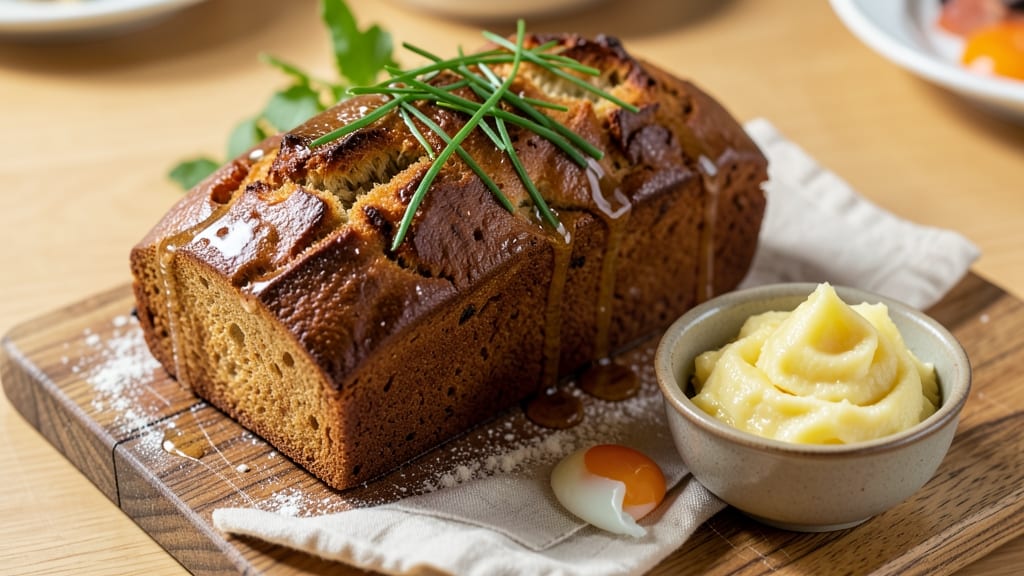
This baked potato bread recipe delivers the classic bakery-style loaf with its signature fluffy layers and golden crust. The secret lies in perfectly cooked potato puree that transforms ordinary bread dough into something extraordinary—moist, tender, and packed with that unmistakable potato flavor.
I've baked this recipe countless times, and it never fails to impress with its restaurant-quality texture and aroma that fills the kitchen.
What makes this recipe truly special is the balance of ingredients: yeast-activated dough enriched with mashed potatoes creates those signature layers, while butter and sugar add richness and sweetness.
The dough requires a 30-minute rise at room temperature followed by an overnight cold proof in the fridge—this slow fermentation develops deep flavor and ensures that perfect bakery-style crumb. The result? A loaf with a crispy exterior and a moist, tender interior that practically melts in your mouth.
By the time it emerges from the oven, you'll have a loaf that's golden brown with those coveted flaky layers, just like you'd find in a specialty bakery.
The aroma alone will have everyone gathering around your table, and each slice will be perfectly balanced—slightly sweet, buttery, and infused with that comforting potato flavor. This bread is ideal for breakfast toast, sandwiches, or simply enjoyed warm with butter.
The beauty of this recipe is its versatility—you can serve it plain, slathered with butter, or topped with honey and cinnamon for a sweet treat. It also freezes beautifully, making it perfect for meal prep. Let's get started on creating this bakery classic in your own kitchen.
Ingredients for baked potato bread
Four cups flour, two pounds potatoes, and a touch of magic for bakery-style layers.
| Ingredient | Amount | Notes |
|---|---|---|
| Russet Potatoes 🥔 | 2 lb | Medium size, peeled and boiled |
| All-Purpose Flour 🌾 | 4 cups | Plus 2 tbsp for dusting |
| Active Dry Yeast 🍞 | ¼ oz | 1 packet, or 2 1/4 tsp |
| Granulated Sugar 🍚 | ¼ cup | For yeast activation |
| Unsalted Butter 🧈 | ½ cup | Cold, cubed, for layers |
| Large Eggs 🥚 | 1 whole | Room temperature |
| Milk 🥛 | ½ cup | Warmed, whole preferred |
| Salt 🧂 | 1 ½ tsp | Diamond Crystal preferred |
| Baking Soda 🧪 | ½ tsp | For lift and tenderness |
| Vanilla Extract 🌸 | 1 tsp | Pure extract preferred |
| Cornmeal 🌽 | ¼ cup | For baking sheet dusting |
| Whole Milk 🥛 | ¼ cup | For brushing layers |
The potatoes are non-negotiable—Russet gives you that classic fluffiness. Whole Foods or your local market usually have them pre-peeled for convenience, but peeling yourself ensures cleaner puree. For the dough, King Arthur flour is my go-to for that perfect bakery crumb, but any high-protein flour works. The butter should be cold when you cube it—Land O'Lakes or Plugrá work best for layering. If you're in a rush, Trader Joe's sells pre-shredded potatoes that save time, though fresh is ideal for that authentic texture.
No vanilla extract? Vanilla bean paste works perfectly, or a pinch of ground vanilla bean if you're feeling fancy. Short on milk? Heavy cream at half the amount adds richness, but whole milk keeps it classic. The baking soda is crucial—it reacts with the acidity in the potatoes for that signature lift. For the yeast, if it's past its expiration date, test it in warm milk first—it should foam within 10 minutes. The cornmeal isn't just for dusting; it adds a subtle crunch to the bottom crust that's worth the extra sprinkle.
This dough is a patient recipe—30 minutes at room temp, then overnight in the fridge. The cold proof is where the magic happens, so don't skip it. Wrap the dough tightly in plastic and store it in the coldest part of your fridge for maximum flavor development. The baked loaf keeps well for 3 days at room temperature, or 1 week in the freezer. For reheating, wrap a slice in foil and warm it in a 200°F oven for 5 minutes—it'll taste like it just came out of the bakery.
Why You'll Love This Recipe
- No-Knead Magic: The dough comes together in five minutes—just mash those Russets, mix in flour and yeast, and let it rise while you make dinner. I swear, my lazy weeknights thank me every time.
- Taste of Childhood: That buttery, fluffy crumb with a hint of sweetness from the potatoes? It’s like a cross between garlic bread and a warm dinner roll—ridiculously good with soup or butter alone.
- Leftovers That Don’t Suck: Slice the extra loaf, toast it, and you’ve got a breakfast sandwich base or snack for days. Honestly, I’ve kept this in the fridge for five days and it’s still better than store-bought.
- Budget Bread Wins: Russets are cheap, yeast is cheap, and a single batch feeds four—or stretches to six if you’re sneaky with portions. My wallet and my family both approve.
Step-by-step instructions for baked potato bread
Here's how to create that iconic bakery-style bread with perfect layers and tender crumb.
Prepare the Potato Base
Begin by boiling the 2 lb Russet Potatoes until they're fork-tender, about 20-25 minutes. Drain them completely and let them cool just enough to handle. While still warm, peel the potatoes and mash them thoroughly until completely smooth—no lumps should remain. This creates the signature moist, tender base that prevents the bread from becoming dense.
Transfer the mashed potatoes to a mixing bowl and let them cool to room temperature. I like to spread them on a wire rack to speed this process. The cooler the potatoes are when mixed with other ingredients, the better the texture will be in your final loaf. This step is crucial for achieving that classic, pillowy crumb that separates good potato bread from great.
Mix the Dough
In the bowl of a stand mixer fitted with the dough hook attachment, combine the 4 cups all-purpose flour, 1.5 tsp salt, 0.5 tsp baking soda, and 1 tsp vanilla extract. Mix on low speed until just combined. In a separate bowl, whisk together the 0.25 oz active dry yeast with 0.5 cup milk and 0.25 cup granulated sugar—this mixture should bubble within 5-10 minutes as the yeast activates.
Add the cooled mashed potatoes to the flour mixture, followed by the 1 whole large egg and the yeast-milk mixture. Mix on low speed until everything is incorporated, then increase to medium speed and knead for 5-7 minutes until the dough becomes smooth and elastic. The dough should pull away from the sides of the bowl and be slightly tacky but not sticky. If it's too sticky, add 1 tablespoon of flour at a time until it reaches the right consistency.
Incorporate the Butter Layers
Remove the dough from the mixer and turn it out onto a lightly floured surface. Gently flatten it into a rectangle about 12x8 inches. Cut the 0.5 cup unsalted butter into small cubes and arrange them evenly over the dough, leaving a 1-inch border around the edges. Fold the dough over the butter, sealing the edges tightly to create a log shape.
Roll the log into a smooth, round loaf and place it seam-side down in a greased 9x5-inch loaf pan. Cover the pan with a clean kitchen towel and let the dough rise in a warm place for 1-1.5 hours, or until it has doubled in size. The dough should feel light and springy when pressed gently. This step is where the magic happens—the butter creates those signature flaky layers that make this bread so special.
Shape and Bake
Preheat your oven to 350°F. Lightly dust a baking sheet with 0.25 cup cornmeal and place a wire rack on top. Carefully transfer the risen dough to the prepared baking sheet and brush the top generously with 0.25 cup whole milk. This creates a beautiful golden crust and adds extra moisture to the bread.
Bake for 50-55 minutes, until the top is deep golden brown and the internal temperature reaches 190°F. The bread is done when it sounds hollow when tapped on the bottom. For the best results, I recommend baking it on the middle rack of your oven to ensure even heat distribution. If the top browns too quickly, tent the bread loosely with foil after 30 minutes to prevent over-browning.
Cool and Serve
Remove the bread from the oven and let it cool in the pan for 10 minutes. Then transfer it to a wire rack to cool completely. This resting period allows the bread to set properly and prevents it from becoming gummy. Once fully cooled, slice it into ½-inch thick pieces for that classic bakery-style presentation.
Serve the bread warm or at room temperature. The layers should be tender and flaky, with a slightly crisp crust that gives way to a moist, buttery interior. This bread is perfect for sandwiches, toast, or simply enjoyed on its own with a pat of butter. The key to success lies in the patience—letting the dough rise properly and baking it at the right temperature ensures that classic, bakery-quality texture.
Pro Tips For Making Baked Potato Bread
- Boil Potatoes Until Fork-Tender: Russets should fall apart with light pressure—no mushy sludge. I learned this the hard way when my first batch turned into gluey dough. Drain immediately and shock in ice water to stop cooking; cold potatoes mash smoother and keep the bread from turning gummy later.
- Use Warm Milk (Not Cold) for Yeast: The sugar in your dough needs help activating that yeast, and cold milk just slows it down. Heat 1 cup of milk to 110°F (like a warm bath) before mixing it with the flour and yeast—this cuts proofing time by 20-30 minutes. (Yes, even if you’re impatient like me.)
- Don’t Overwork the Dough: This isn’t pizza dough—handle it like it’s fragile. Once you’ve mixed in the mashed potatoes, knead just until smooth (about 3-4 minutes by hand). Overworking develops gluten, and you’ll end up with a dense, chewy loaf instead of that light, airy potato bread texture you’re after.
- Rest the Dough Twice: First rise (1-2 hours) is obvious, but the second rise after shaping is where magic happens. Let the shaped loaf rest another 30-45 minutes before baking—this relaxes the gluten and guarantees a taller, less likely-to-collapse loaf. (Your future self will thank you when it doesn’t flatten like a pancake.)
Flavor customization for this baked potato bread
Sweet Variations
Transform your bread into a dessert with 1 tbsp cinnamon and ½ cup brown sugar added to the dough. Brush the baked loaf with 2 tbsp melted butter mixed with 1 tbsp honey for a caramelized finish.
Top with toasted pecans or chopped walnuts for crunch. This version tastes like a bakery's sweet loaf—perfect for breakfast or a snack. 🍯
Savory Herb Twist
Infuse your bread with fresh herbs by adding 2 tbsp finely chopped rosemary or thyme to the dough. For extra flavor, fold in ½ cup shredded cheddar cheese before baking.
Brush the crust with garlic butter (melt 2 tbsp butter with 1 minced garlic clove) after baking. This savory version pairs perfectly with soups or grilled meats. 🌿
Cheesy Potato Bread
Take your bread to the next level by adding 1 cup shredded sharp cheddar or Monterey Jack to the dough after mixing in the potatoes. For a richer flavor, swap ½ cup of the milk for ½ cup heavy cream.
The cheese melts beautifully during baking, creating pockets of gooey goodness. This version is a crowd-pleaser for sandwiches or appetizers. 🧀
Spiced Pumpkin Version
For a seasonal twist, replace ½ cup of the mashed potatoes with ½ cup pumpkin puree and add 1 tsp pumpkin pie spice to the dough. Brush the baked loaf with a mix of 1 tbsp melted butter and 1 tsp maple syrup for a sweet, autumnal flavor.
This variation works beautifully during fall and winter months. 🎃
Everything Bagel Flavor
Create a savory, everything-bagel-style bread by adding 2 tbsp sesame seeds, 2 tbsp poppy seeds, 2 tbsp dried minced onion, and 2 tbsp dried minced garlic to the dough.
Sprinkle extra seeds on top before baking for a crunchy, flavorful crust. This version is perfect for breakfast toast or as a side for dips. 🥨
Jalapeño Cheddar Kick
Add some heat by mixing in ½ cup diced jalapeños and 1 cup shredded pepper jack cheese into the dough. For extra spice, brush the baked loaf with a mix of 1 tbsp melted butter and ½ tsp hot sauce.
This version is ideal for spicy sandwiches or as a bold side dish. 🌶️
Nutrition facts
Frequently asked questions
Why does my baked potato bread turn out dense instead of fluffy? The most common cause is overmixing the dough or not letting it rise properly.
Can I make this bread without a stand mixer?
You can mix the dough by hand in a large bowl, using a wooden spoon first to combine ingredients, then your hands to knead. Work the dough for about 8-10 minutes until it becomes smooth and elastic. The kneading process develops gluten, which is crucial for those signature flaky layers.
How do I store leftover baked potato bread?
Wrap the cooled loaf tightly in plastic wrap or aluminum foil and store at room temperature for up to 3 days. For longer storage, slice the bread and freeze the slices between parchment paper. To reheat, warm slices in a 300°F oven for 5-7 minutes or wrap in foil and heat in the microwave for 10-15 seconds for a soft texture.
What's the best way to test if the dough has risen enough?
Gently press two fingers into the dough—if it springs back slowly (leaving a slight indentation), it's ready. For the first rise, the dough should double in size (1-1.5 hours at room temperature). After the cold proof, it should feel light and springy when pressed—this indicates proper fermentation for maximum flavor.
Can I use sweet potatoes instead of Russets?
While possible, sweet potatoes will change the flavor and texture dramatically. Russets provide the classic fluffy, neutral potato taste that works perfectly with this recipe. If you must use sweet potatoes, reduce the amount to 1 lb and increase the flour by ½ cup to compensate for their higher moisture content.