
Side Dishes
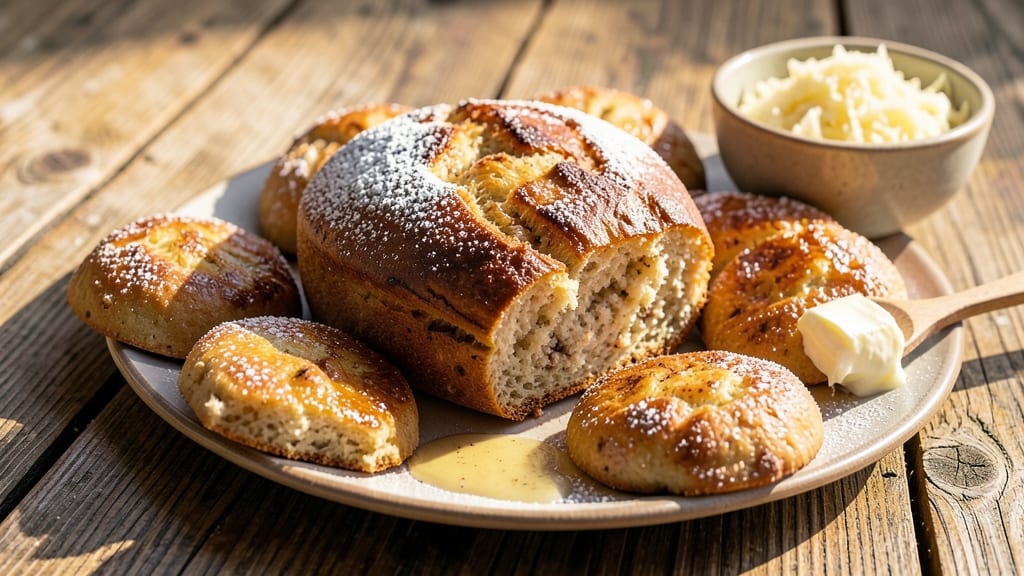
This Bahamian potato bread recipe delivers golden, crispy-crusted bites with a tender interior and subtle warming spices that taste like a Bahamian kitchen. The secret lies in the perfect balance of grated potatoes, flour, and a touch of nutmeg—transforming simple ingredients into something extraordinary.
I first discovered this recipe during a trip to Nassau, where it was served warm with butter, and it’s been a staple in my kitchen ever since.
What sets this bread apart is its crispy exterior that shatters when you bite in, revealing a moist, slightly sweet interior infused with cinnamon and nutmeg. The dough comes together in minutes, and the shaping process is simple—no rolling or fussing required.
Whether you’re serving it as a side to a hearty meal or enjoying it with jam for breakfast, it’s a dish that brings a taste of the Bahamas to your table.
The baking process is straightforward, but timing is key to achieving that perfect crispy crust without drying out the inside. Once out of the oven, the aroma is intoxicating—warm, buttery, and just a hint of spice.
This bread is versatile enough to pair with almost anything, from salted butter to savory stews, making it a must-try for anyone looking to add a touch of Caribbean flair to their meals.
Ready to make it? The recipe requires just a handful of ingredients and a little patience, but the result is a bread that’s worth every minute. Let’s get started on creating these crispy, buttery bites that taste like a slice of the Bahamas.
Ingredients for bahamian potato bread
Just twelve ingredients transform humble potatoes into Bahamian potato bread with a crispy crust and tender spiced heart.
| Ingredient | Amount | Notes |
|---|---|---|
| Russet Potatoes 🥔 | 2 lb | Peeled and grated (about 4 cups) |
| All-Purpose Flour 🌾 | 2 cups | Sifted for light texture |
| Unsalted Butter 🧈 | ½ cup | Cold, cubed (full-fat preferred) |
| Granulated Sugar 🍚 | ¼ cup | Light brown preferred |
| Ground Cinnamon 🌿 | 1 tbsp | Freshly ground for warmth |
| Ground Nutmeg 🌿 | ½ tsp | Freshly grated if possible |
| Salt 🧂 | 1 tsp | Diamond Crystal preferred |
| Baking Powder 🍞 | 1 tsp | Aluminum-free for best rise |
| Vanilla Extract 🍯 | 1 tsp | Pure vanilla preferred |
| Milk 🥛 | ½ cup | Whole milk for richness |
| Eggs 🥚 | 1 whole | Large, room temperature |
| Vegetable Oil 🫒 | 1 tbsp | For greasing pan |
The potatoes are the foundation—Russet potatoes work best because they’re starchy and hold moisture well. Grab the organic variety if you can, but regular Russets are fine. Grate them yourself (a box grater works best) for that perfect texture. The cold butter is non-negotiable—it creates those signature flaky layers. I always buy European-style butter from Whole Foods when I can, but any good-quality unsalted butter will do. The spices? Freshly ground cinnamon and nutmeg make all the difference—pre-ground spices lose their punch fast. If you don’t have a grater, Trader Joe’s sells pre-ground nutmeg that’s decent in a pinch.
No butter? Coconut oil works in a bind, though the flavor won’t be identical. Short on milk? Almond milk or coconut milk adds richness, but you’ll notice a slight difference in texture. The baking powder is key—aluminum-free is best for a tender crumb. If you’re out of vanilla, vanilla sugar (half the amount) can substitute, but pure extract is ideal. The dough should be thick but manageable—if it’s too sticky, add a tablespoon more flour. For the crispy crust, don’t overmix the dough. The shaping process is simple: roll into balls, flatten slightly, and arrange in the pan. The vegetable oil for greasing the pan ensures easy release—no sticking, no fuss.
This bread keeps well for 3 days at room temperature wrapped in a clean kitchen towel. For longer storage, freeze the baked loaves for up to 3 months—just thaw at room temperature before serving. The crispy crust is best enjoyed fresh, but the interior stays tender for days. I like to reheat slices in a 350°F oven for 5 minutes to revive that golden crunch. The aroma alone is worth the wait—warm, buttery, with just a hint of those Bahamian spices. Perfect with jam, butter, or as a side to any meal.
Why You'll Love This Recipe
- No Boil, No Peel: I swear by this trick—just grate raw Russets right into the dough. No peeling, no boiling, no mess. The starch from the skins actually helps that bread stay tender for days.
- Sweet Spice Magic: That cinnamon-sugar swirl? It’s not just decoration—it’s the secret. The butter melts into the warm dough, making every bite taste like a Bahamian bakery fresh out of the oven.
- Breakfast to Brunch: Honestly, I make this for everything. Toast it for breakfast with jam, tear it into lunchbox sandwiches, or serve it warm with butter at dinner. It’s the one loaf that does it all.
- Pantry Staple Power: Between us, this recipe uses stuff you already have. A few potatoes, some flour, a stick of butter—that’s it. And when you bake a double batch? Half will disappear before you even notice.
Step-by-step instructions for Bahamian potato bread
A perfect balance of crispy crust and tender crumb—this method delivers the signature Bahamian texture every time.
Grate and Squeeze the Potatoes
Begin by peeling the 2 lb russet potatoes and grating them using the large holes of a box grater. You should end up with about 4 cups of grated potato. Immediately transfer the grated potatoes to a clean kitchen towel or cheesecloth and squeeze out every drop of excess moisture. This step is crucial—wet potatoes will make your bread dense instead of light and crispy.
Work in batches if needed, twisting the towel tightly to wring out as much liquid as possible. Spread the squeezed potatoes on a baking sheet and let them sit for 10 minutes to dry out further. The goal is to have potatoes that feel almost powdery when rubbed between your fingers. This ensures your bread will have that signature Bahamian crispiness.
Cream Butter and Sweeteners
In a large mixing bowl, combine the 0.5 cup cold, cubed unsalted butter with the 0.25 cup granulated sugar. Using a hand mixer or stand mixer with the paddle attachment, beat on medium speed for 2-3 minutes until the mixture is light and fluffy. You'll see the butter transform from cold cubes to a pale, creamy consistency.
This creaming process incorporates air into the butter, which helps create the bread's signature tender crumb. Don't rush this step—properly creamed butter makes all the difference in texture. Scrape down the sides of the bowl with a spatula to ensure all the butter is fully incorporated before moving to the next ingredient.
Mix Dry Ingredients and Combine
In a separate bowl, whisk together the 2 cups sifted all-purpose flour, 1 tsp salt, 1 tsp baking powder, 1 tbsp ground cinnamon, and 0.5 tsp ground nutmeg. The cinnamon and nutmeg are key for that Bahamian warmth—don't skip freshly grinding them if possible. Add the 1 tsp vanilla extract to the butter mixture and mix briefly to combine.
With the mixer on low speed, gradually add the dry ingredients to the butter mixture. Mix just until combined—you should still see small flour streaks. Avoid overmixing, which develops gluten and makes the bread tough. The dough will be thick and slightly sticky, but that's exactly what we want for that perfect texture.
Incorporate Wet Ingredients
Add the 0.5 cup whole milk and 1 whole egg to the dough mixture. Mix on low speed until just combined, about 30 seconds. The dough should come together into a thick, cohesive mass. If it's too dry, add 1-2 teaspoons more milk; if too sticky, add 1 tablespoon more flour. The consistency should be similar to thick cookie dough.
Fold in the squeezed potatoes using a spatula, mixing gently until evenly distributed throughout the dough. The potatoes should be completely incorporated, with no dry spots remaining. This is where the magic happens—the potatoes will give the bread its signature texture and moisture balance. The dough will be quite thick, but that's perfect for creating those crispy edges.
Shape and Bake for Crispy Perfection
Lightly grease a 9-inch round cake pan or bundt pan with the 1 tbsp vegetable oil. Transfer the dough to the prepared pan and spread it evenly, creating a smooth top surface. The dough will be quite thick—about 1.5 inches deep in the center. Bake in a preheated 350°F oven for 45-50 minutes, or until the top is golden brown and a toothpick inserted in the center comes out clean.
For that signature Bahamian crispiness, I recommend broiling for the final 2-3 minutes of baking. Keep a close eye on it—you want the top to be deeply golden brown with crispy spots, not burnt. Let the bread cool in the pan for 10 minutes before transferring to a wire rack to cool completely. The bread will be dense but light, with a crispy crust that crumbles perfectly and a tender interior with just the right amount of potato moisture.
Pro Tips For Making Bahamian Potato Bread
- GRATE POTATOES DRY: I learned this the hard way—when grated potatoes sit wet, they turn to mush in the dough. Wrap the grated potatoes in a clean kitchen towel and squeeze out every drop of moisture before mixing. Use your hands if you’re impatient, but don’t skip this step—it’s what keeps your bread from turning gummy.
- USE COLD BUTTER: Cut that unsalted butter straight from the fridge and cube it into small, even pieces. Cold butter creates pockets of steam in the dough, giving Bahamian potato bread its signature flaky layers. If you’re tempted to soften it, resist—your bread will end up dense instead of light.
- DON’T OVERMIX THE DOUGH: Once you add the flour, stop stirring after just 30 seconds. Overworking the dough develops gluten, which makes the bread tough instead of tender. Fold in the grated potatoes and sugar gently—this isn’t bread machine dough, it’s a delicate balance.
- BAKE UNTIL GOLDEN, NOT DONE: The bread is ready when the top is deep golden brown, not when it looks done. I used to pull mine out too soon, thinking it was safe, but the inside stayed pale and starchy. Bake it 5-10 minutes longer than the recipe says—your nose will tell you when it’s right.
Pro cooking tips for perfect results
Potato Prep Secrets
Grating potatoes is where the magic starts, but squeezing out every drop of moisture is non-negotiable. I use a clean kitchen towel or cheesecloth—never paper towels, as they don’t wring out liquid effectively.
Spread the grated potatoes on a baking sheet and let them air-dry for 10 minutes before mixing. This step prevents a gummy, dense bread. Pro tip: Use Russet potatoes—their high starch content ensures the right texture. 🥔
Butter Creaming Mastery
Cold butter is your best friend here. Cube the 0.5 cup unsalted butter and beat it with 0.25 cup sugar until it’s light and fluffy—this takes 2-3 minutes on medium speed. The goal is to incorporate air, which creates that signature tender crumb.
I like to use European-style butter (like Plugrá) for extra richness, but any good-quality unsalted butter works. Never skip scraping down the bowl—this ensures even mixing. 🧈
Dough Consistency Control
The dough should be thick but workable, like cookie dough. If it’s too sticky, add 1 tbsp flour; if too dry, add 1 tsp milk. Overmixing develops gluten, which ruins the crispy texture. Mix just until combined—30 seconds with the wet ingredients is plenty.
The potatoes should be evenly distributed, with no dry spots. I use a spatula to fold them in gently to avoid breaking the butter’s air pockets. ✨
Pan and Baking Tricks
Grease your 9-inch pan with vegetable oil—this prevents sticking and ensures easy release. Spread the dough evenly, about 1.5 inches thick, for even baking. For that crispy Bahamian crust, broil for the final 2-3 minutes.
Watch closely—it burns fast! Let the bread cool in the pan for 10 minutes before transferring to a wire rack. This keeps the crust intact and prevents crumbling. 🔥
Storage and Reheating Hacks
Store the bread in an airtight container at room temperature for 3 days or freeze for 3 months. To revive the crispy crust, reheat slices in a 350°F oven for 5 minutes.
For extra crunch, sprinkle with powdered sugar or cinnamon before serving. The aroma alone makes it worth reheating—warm, buttery, and just a hint of nutmeg. 💫
Troubleshooting Common Issues
If your bread turns out too dense, you likely didn’t squeeze out enough moisture from the potatoes. For a pale crust, broil longer next time. If the dough sticks to the pan, grease it more thoroughly.
Overmixing? The bread will be tough—mix just until combined. For extra crispiness, brush the baked bread with melted butter while still warm. 💡
Nutrition facts
Frequently asked questions
Can I substitute sweet potatoes for regular potatoes in this recipe?
While you can use sweet potatoes, the texture and flavor will differ significantly. Sweet potatoes add natural sweetness and moisture that may make the bread denser. If you must substitute, reduce the sugar to 1/4 cup and increase the nutmeg to 1 tsp for better balance. The classic Bahamian version uses russet potatoes for that signature crispy crust and tender interior.
Why does my Bahamian potato bread turn out gummy instead of crispy? This usually happens when excess moisture isn't removed from the grated potatoes.
Can I make this bread gluten-free?
Yes, but with some adjustments. Replace the all-purpose flour with a 1:1 gluten-free baking flour blend (like Bob's Red Mill) and add 1/2 tsp xanthan gum. You'll also need to increase the milk to 3/4 cup for better moisture balance. Keep in mind the texture will be slightly different, but still delicious. The crispy crust may be less pronounced without gluten.
How do I know when the bread is fully baked?
The bread is done when the top is golden brown and a toothpick inserted in the center comes out clean. For extra assurance, check the internal temperature—it should reach 190°F. The final 2-3 minutes under the broiler will give you that perfect crispy crust, but watch closely to avoid burning. Let it cool in the pan for 10 minutes before transferring.
What's the best way to serve Bahamian potato bread?
This versatile bread shines with warm butter, jam, or honey for breakfast. It also pairs beautifully with savory dishes like conch chowder or grilled fish. For extra flair, dust with powdered sugar or serve with a side of Bahamian sorrel tea. The warm, spiced crust makes it perfect for sharing at family gatherings or potlucks.