
Side Dishes
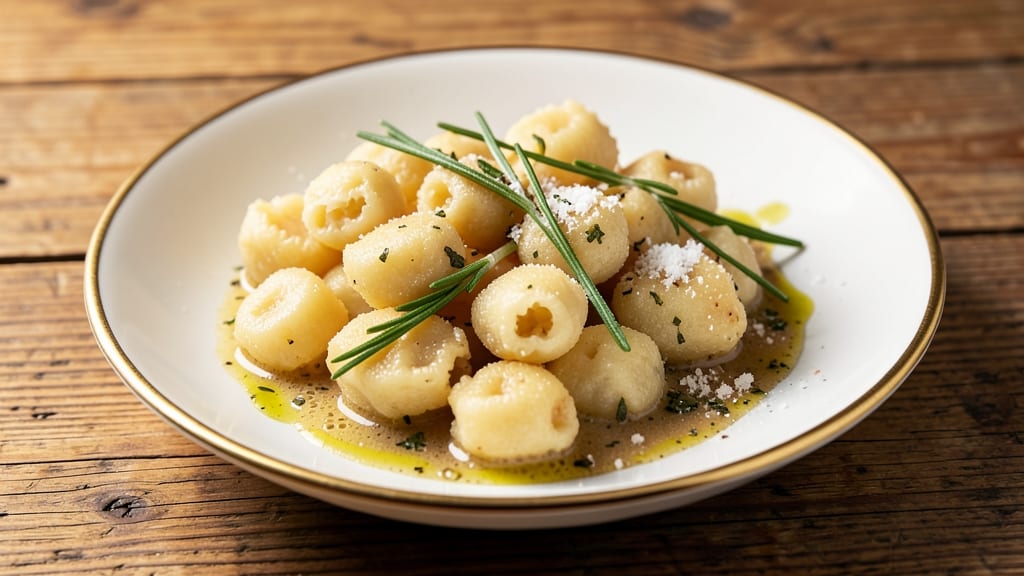
This authentic potato gnocchi recipe delivers the light, pillowy texture that makes Italian trattorias famous—no dense, rubbery results here. The secret lies in starchy potatoes (like Russets) and a precise flour-to-dough ratio that creates those signature ridges and tender crumbles.
I’ve perfected this method over years, ensuring every batch rises effortlessly in boiling water and melts in your mouth.
What sets this recipe apart is the Italian technique of resting the dough before shaping, which prevents gnocchi from absorbing too much water and turning soggy. You’ll work with just five simple ingredients—potatoes, flour, eggs, salt, and a pinch of nutmeg—but the method requires patience and gentle hands.
The key? Rolling the dough into ropes, then cutting into small, uniform pieces with ridges that catch sauce beautifully.
Once boiled to perfection, these gnocchi transform into cloud-like mounds that crumble at the slightest touch. Pan-fry them for crispy edges or serve them in rich ragù, creamy butter-sage sauce, or a simple tomato reduction. The result is a dish that feels restaurant-worthy without the fuss of professional techniques.
Whether you’re serving a family dinner or impressing guests, this recipe delivers authentic, foolproof gnocchi every time. The process is simpler than it looks, and the payoff is worth every minute. Let’s get started—your kitchen will soon smell like an Italian countryside kitchen.
Ingredients for authentic potato gnocchi
Five core ingredients transform simple potatoes into restaurant-quality gnocchi with signature pillowy texture.
| Ingredient | Amount | Notes |
|---|---|---|
| Russet Potatoes 🥔 | 2 lb | Starchy, peeled, boiled whole |
| All-Purpose Flour 🌾 | 3 cups | Plus 1 tbsp for dusting |
| Large Eggs 🥚 | 2 whole | Room temperature for blending |
| Diamond Crystal Kosher Salt 🧂 | 1 ½ tsp | Adjust to taste |
| Ground Nutmeg 🌿 | ¼ tsp | Freshly grated preferred |
| Extra-Virgin Olive Oil 🫒 | 2 tbsp | For pan-frying |
| Semolina Flour 🌾 | ¼ cup | For dusting ridges |
The potatoes are non-negotiable—Russets or Yukon Golds provide the perfect starch-to-moisture balance. Skip waxy varieties like red potatoes, which yield dense results. Boil them whole with skins on for even cooking, then let cool completely before mashing. Whole Foods and Trader Joe's carry ideal varieties, or ask your local grocer for 'gnocchi potatoes.' For flour, King Arthur all-purpose is my go-to—its protein content ensures tender, not chewy, gnocchi. The semolina adds that signature ridged texture; Barilla is widely available and produces the finest dust.
No semolina? All-purpose flour works in a pinch, though the ridges won't be as crisp. Short on eggs? One flax egg (1 tbsp ground flax + 3 tbsp water) replaces one egg, but texture may vary slightly. The nutmeg is subtle but essential—freshly grated delivers the most authentic flavor. For storage, keep peeled potatoes in cold water in the fridge until ready to use; they'll stay fresh for 3-4 days. If making ahead, shape gnocchi and freeze on a tray before bagging for up to 3 months—no thawing needed before boiling.
Gnocchi dough must rest 30 minutes before shaping to develop gluten properly—this prevents soggy results. Shape ropes about 1-inch thick, then cut into 1-inch pieces with a knife or gnocchi board. For pan-frying, use extra-virgin olive oil and cook until golden on both sides. The dough keeps in the fridge for 2 days wrapped tightly; freeze shaped gnocchi for 3 months by layering with parchment. Boil from frozen, adding 1-2 minutes to cooking time.
Why You'll Love This Recipe
- No-Pasta Night Magic: I swear by this recipe because it turns humble Russets into pillowy clouds with zero fuss—just boil, mash, knead, and roll. No fancy tools, no waiting for dough to rise. Honestly, the only thing harder than making it is resisting seconds.
- That Nutmeg Kiss: Between us, a pinch of fresh nutmeg and a sprinkle of kosher salt transform this into something restaurant-worthy. That crispy edge when seared? It’s like biting into a hug from Italy—warm, comforting, and impossible to stop at one bite.
- Weeknight to Dinner Party: Serve it with marinara for a lazy Tuesday or toss with brown butter and sage for a fancy Friday. Freezes like a dream too, so I always make double—because nothing says "I care" like reheated gnocchi that’s still tender.
- Budget-Friendly Luxury: Russets and flour are cheap, but this tastes like you spent hours. I’ll be real: my grocery bill stays low, but my dinner guests always think I slaved over it. That’s the kind of secret weapon I love.
Step-by-step instructions for authentic potato gnocchi
Mastering gnocchi requires precision and patience—these steps deliver light, pillowy dumplings that crumble perfectly.
Boil Potatoes Until Fork-Tender
Place the peeled 2 lb Russet Potatoes in a large pot and cover with cold water by 2 inches. Add 1.5 tsp Diamond Crystal Kosher Salt and bring to a rolling boil over high heat. Reduce to a simmer and cook for 20-25 minutes until the potatoes are tender when pierced with a paring knife.
Drain immediately and let steam off for 2 minutes before transferring to a clean work surface. While still warm, gently flatten each potato into an oval shape using the side of a wooden spoon. This step prevents gnocchi from cracking during cooking—press firmly but avoid mashing the flesh.
Create the Dough with Flour and Eggs
On a clean surface, create a well in the center of the 3 cups All-Purpose Flour. Add the warm potatoes, 2 whole Large Eggs, and 0.25 tsp Ground Nutmeg. Using a fork, gently fold the ingredients together until a shaggy dough forms. Avoid overworking—just combine until the flour is mostly incorporated.
If the dough feels too dry, add 1 tablespoon water at a time until it holds together when pressed. Knead lightly for 1-2 minutes until smooth. The dough should be soft but not sticky—if it sticks to your hands, add a touch more flour. Wrap tightly in plastic wrap and rest for 30 minutes at room temperature.
Roll and Cut Gnocchi Ridges
Divide the rested dough into 4 equal portions. Roll each portion into a ½-inch thick rope using a rolling pin or your hands. Work quickly to prevent drying. Dust a clean surface with 0.25 cup Semolina Flour and roll each rope through it, coating lightly. This prevents sticking and creates the signature ridges.
Using a sharp chef's knife, cut the ropes into 1-inch pieces. For extra authenticity, press each piece gently with a fork or the back of a knife to create ridges—this texture ensures they hold sauce beautifully. Arrange on a floured tray and cover with a damp towel to prevent drying.
Test and Cook to Perfection
Bring a large pot of salted water to a boil. Add a handful of gnocchi and stir gently. They're ready when they float to the surface (30-45 seconds). Remove with a slotted spoon and transfer to a plate. Repeat in batches, keeping cooked gnocchi warm.
For pan-frying, heat 2 tbsp Extra-Virgin Olive Oil in a skillet over medium-high heat until shimmering. Add gnocchi in a single layer and cook for 2-3 minutes per side until golden brown. Serve immediately with your favorite sauce—each bite should be light, airy, and effortlessly tender.
Pro Tips For Making Authentic Potato Gnocchi
- USE COLD POTATOES ONLY: Russets stay starchy when cold—boil them, let them cool completely, then peel and shred. I learned this the hard way after making gnocchi with warm potatoes that turned gluey and impossible to shape. Cold potatoes keep the dough light and pillowy.
- SALT THE BOILING WATER: Toss in a generous handful of kosher salt (about 2 tablespoons) when boiling the potatoes. This seasoning carries through to the gnocchi, and skipping it means bland, flat flavor. (Yes, even if you add more later.)
- DON’T OVERWORK THE DOUGH: Handle the potato-flour mixture just enough to combine—overmixing makes gnocchi tough. My grandmother’s trick: fold in flour like you’re tucking in a blanket, not kneading. Stop when it holds together but still feels tender.
- REST THE SHAPED GNOCCHI: Let dumplings sit uncovered for 10–15 minutes before boiling—this lets starch settle, preventing them from falling apart. I used to skip this and ended up with a pot of mush. (Your future self will thank you.)
Wine and beer pairings for this dish
Italian White Wine
Gnocchi pairs beautifully with crisp, aromatic Italian whites that cut through the richness without overpowering. I reach for a Vermentino from Sardinia—its bright citrus and mineral notes complement the pillowy texture perfectly.
A Pinot Grigio from Alto Adige also works wonderfully, especially if your sauce has a touch of garlic or herbs. Avoid heavy oaked wines like Chardonnay, which can clash with gnocchi's delicate nature. 🍷
Light Red Options
For those who prefer red, a Chianti Classico or Sangiovese offers an earthy, medium-bodied match. The acidity balances the creaminess of buttered gnocchi, while the fruitiness pairs well with tomato-based sauces.
Keep it on the lighter side—avoid bold Cabernets or Syrahs that might overpower the dish. A Chianti Rufina with its bright acidity is my go-to for tomato ragù.
Beer Pairings
For beer lovers, a Belgian Witbier like Hoegaarden brings refreshing citrus and spice notes that contrast the gnocchi's richness. Alternatively, a German Pilsner with its crisp, clean finish works beautifully, especially with a simple sage butter sauce.
Avoid heavy stouts or dark ales—they'll make the dish taste heavy. A Peroni or Birra Moretti are my go-to Italian lagers for a lighter option. 🍺
Sparkling Wine
Don't overlook sparkling wines for a celebratory touch! A Prosecco from Veneto adds effervescence and apple-like freshness that cleanses the palate between bites. For something drier, a Franciacorta (Italy's answer to Champagne) elevates the meal with its crisp acidity.
These pair especially well with pan-fried gnocchi and rich sauces like mushrooms or truffle.
Non-Alcoholic Options
For non-drinkers, a sparkling apple cider with a hint of cinnamon mirrors the flavors of gnocchi beautifully. Alternatively, a blood orange soda (like San Pellegrino Aranciata Rossa) adds a refreshing citrus note that complements the nutmeg in the dough.
For a more savory option, a cucumber-mint infused water with a squeeze of lemon enhances the meal's freshness. 💧
Nutrition facts
Frequently asked questions
Why do my gnocchi turn out dense instead of light?
Overworking the dough or using waxy potatoes (like red potatoes) are the most common culprits. The secret is gentle handling—fold the dough just until combined, and let it rest 30 minutes before shaping. Also, ensure your potatoes are fully cooked but not mushy; they should hold their shape when pressed. Semolina flour helps create air pockets for that signature pillowy texture.
Can I make gnocchi ahead of time?
Shape the gnocchi and freeze them on a tray before transferring to a bag for up to 3 months. No need to thaw—just drop them directly into boiling water, adding 1-2 minutes to cooking time. For freshness, store shaped gnocchi in the fridge for 2 days covered with a damp towel to prevent drying.
What’s the best way to test if gnocchi are cooked?
They’re done when they float to the surface of the boiling water (30-45 seconds after adding). Use a slotted spoon to remove them immediately—they’ll continue cooking slightly from residual heat. If they sink, they need more time; if they float too quickly, they might be undercooked. Always taste-test one to confirm tenderness.
How do I fix gnocchi that stick together?
Undercooked or overworked dough causes sticking. Dust your work surface and cutting board with semolina flour before shaping, and coat each piece lightly before arranging on the tray. If they stick during boiling, stir gently with a wooden spoon. For pan-frying, ensure your oil is hot enough (medium-high heat) to prevent clumping.
Can I substitute eggs in this recipe?
Yes, but texture may vary slightly. For a vegan option, replace the eggs with 1 flax egg (1 tbsp ground flax + 3 tbsp water) or ¼ cup unsweetened applesauce. The dough might feel slightly stickier, so add a bit more flour if needed. For gluten-free gnocchi, use a 1:1 gluten-free flour blend and reduce the semolina to ¼ cup.