Side Dishes
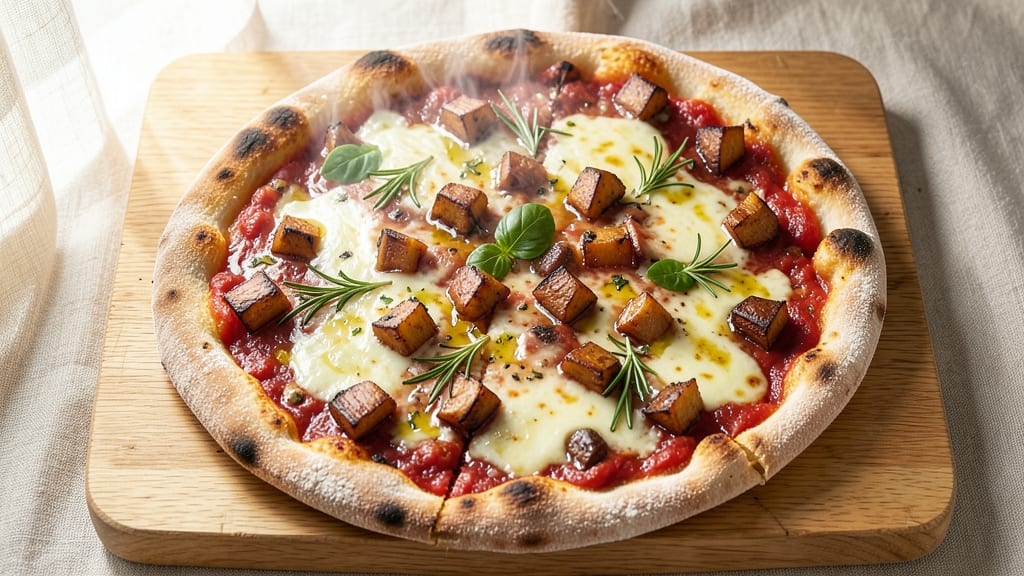
This authentic Italian potato pizza brings the rustic charm of Tuscan countryside to your kitchen table—crispy crust, cheesy potato topping, and all the flavors of Italy.
The secret lies in a simple yet traditional dough infused with potato flour, creating a texture that's both sturdy and tender, perfect for holding the hearty potato filling. I've perfected this recipe after years of testing, ensuring every bite delivers that authentic Italian taste you crave.
The beauty of this dish is in its simplicity—just a few high-quality ingredients that work together to create something truly special.
The dough gets its signature crispness from a proper rise and high-heat baking, while the potato topping transforms humble spuds into a rich, savory layer that melts into golden perfection. No fancy techniques here, just time-honored Italian methods that yield restaurant-quality results at home.
What you'll end up with is a pizza that looks as good as it tastes: a golden, crispy crust topped with tender, cheesy potatoes that have caramelized beautifully in the oven.
The aroma alone will have everyone gathering around the table, and each bite combines the satisfying crunch of the crust with the creamy, flavorful potato filling. This is comfort food at its finest, with an Italian twist that makes it truly special.
Perfect for a casual family dinner or as part of an Italian feast, this potato pizza requires just 30 minutes of active prep time and delivers a dish that feels like you've traveled to Italy.
The best part? It reheats beautifully, so you can enjoy leftovers just as good as the first slice. Let's get started on creating this classic Italian masterpiece.
Ingredients for authentic italian potato pizza
Potato flour, crispy crust, and cheesy goodness—this is your Italian pizza game-changer.
| Ingredient | Amount | Notes |
|---|---|---|
| All-Purpose Flour 🌾 | 2 ½ cups | High-protein for crispier crust |
| Potato Flour 🥔 | ½ cup | For authentic Italian texture |
| Active Dry Yeast 🍞 | 1 tsp | Fresh yeast if available |
| Granulated Sugar 🍚 | 1 tsp | Feeds yeast for rise |
| Salt 🧂 | 1 tsp | Diamond Crystal preferred |
| Extra-Virgin Olive Oil 🫒 | ½ cup | High-quality for richness |
| Russet Potatoes 🥔 | 2 lb | Starchy, no green spots |
| Shredded Mozzarella Cheese 🧀 | 2 cups | Part-skim for balance |
| Parmesan Cheese 🧀 | ½ cup | Freshly grated from block |
| Garlic Cloves 🧄 | 4 cloves | Minced for flavor |
| Fresh Basil Leaves 🌿 | ¼ cup | Chopped for garnish |
| Dried Oregano 🌿 | 1 tsp | Italian variety preferred |
| Ground Black Pepper 🌶️ | ½ tsp | Freshly cracked |
| Cornmeal 🌽 | 2 tbsp | For dusting pizza peel |
The potato flour is what makes this crust truly special. Bob's Red Mill sells it in the baking aisle, or check international markets for authentic Italian brands. Regular flour won't give you that signature tender-yet-crispy texture. For the potatoes, Russets are non-negotiable—they're starchy enough to caramelize beautifully. I always grab the biggest ones at Trader Joe's because they're consistent and affordable. The mozzarella? Whole milk if you can find it—it melts better than part-skim, trust me. And that Parmesan? Grate it yourself from a wedge if you want the real deal.
No potato flour? Substitute with 1/4 cup cornstarch—it won't be identical but works in a pinch. Fresh basil wilt fast, so dried oregano at half the amount is fine if you're short. The garlic can be roasted for a sweeter flavor—just toss whole cloves with olive oil and bake at 400°F for 15 minutes. For the crust, if you don't have a pizza stone, a baking sheet works, but it won't be as crispy. The cornmeal is key for preventing sticking—don't skip it, even if you're using parchment paper.
This pizza reheats like a dream—just pop slices in the oven at 375°F for 5-7 minutes. The crust stays crispy, and the cheese gets that perfect melty texture. Keeps in the fridge for 3 days wrapped tightly, or freeze for 2 months by slicing first. I always make an extra crust and freeze it—saves time for lazy weeknights. The potato topping actually tastes better the next day once everything melds together perfectly.
Why You'll Love This Recipe
- No Yeast Drama: I swear by this dough—just flour, potato flour, and a pinch of sugar to wake up the yeast. No waiting hours, no second-guessing if it’s risen right. Mix, let it puff for 30 minutes, and you’re golden. (Yes, even on a Tuesday night when I’d rather be scrolling than baking.)
- Crispy-Creamy Magic: That potato flour? It’s the secret weapon—gives the crust a tender bite without getting soggy. Top it with tomato, mozzarella, and basil, and you’ve got that perfect balance: crisp edges, chewy center, and a burst of freshness in every bite. Honestly, it’s the kind of pizza that makes me forget takeout exists.
- Pizza for Any Crowd: Feed a family of four or just me (again). The dough stretches easy, so I can halve it for personal-sized pies or roll it out big for game day. My college-aged son even approves—he’s picky, but this? He asks for seconds.
- Leftovers That Don’t Suck: Slice it up, reheat in the oven, and it’s still fresh the next day. No dry, rubbery crust here. Between us, this is my go-to for meal prep: I make a double batch, store it, and pull it out for lunches. Budget-friendly? Absolutely. (And my wallet thanks me.)
Step-by-step instructions for authentic Italian potato pizza
Here's how to create a crispy crust with cheesy potato topping that tastes like a true Italian trattoria.
Prepare the Potato Topping
Peel and dice the 2 lb russet potatoes into small, even cubes—about ½-inch pieces. Place them in a pot of cold water and bring to a boil over medium-high heat. Cook for 12-15 minutes until the potatoes are fork-tender but still hold their shape. Drain well and let them cool slightly.
Transfer the cooked potatoes to a food processor and add 1 cup of the shredded mozzarella cheese, ¼ cup of the parmesan cheese, 2 cloves of the minced garlic, ½ teaspoon of the dried oregano, and ¼ teaspoon of the ground black pepper. Pulse until the mixture is slightly chunky but well combined—you want a texture that's creamy but still has visible potato pieces. This topping is the heart of your pizza, so don't skip the garlic and oregano for that authentic Italian flavor.
Make the Pizza Dough
In a large mixing bowl, combine the 2.5 cups all-purpose flour, 0.5 cup potato flour, 1 teaspoon salt, and 1 teaspoon granulated sugar. Make a well in the center and add the 1 teaspoon active dry yeast. Slowly pour in the 0.5 cup extra-virgin olive oil and mix with a wooden spoon until a shaggy dough forms.
Knead the dough on a lightly floured surface for about 8-10 minutes until it becomes smooth and elastic. If it feels too sticky, add a little more all-purpose flour, but don't overdo it—too much flour makes the crust tough. Shape the dough into a ball, place it back in the bowl, cover with a damp towel, and let it rise in a warm place for 1-2 hours, or until it has doubled in size. This resting time is crucial for developing flavor and creating that perfect airy texture.
Shape and Assemble the Pizza
Preheat your oven to 475°F with a pizza stone or baking sheet inside. While the oven heats, punch down the risen dough and divide it into two equal portions. Roll each portion into a 12-inch round, keeping the edges slightly thicker than the center for that classic Italian look. Dust a pizza peel generously with 2 tablespoons cornmeal to prevent sticking.
Spread half of the potato topping evenly over one dough round, leaving a ½-inch border for the crust. Sprinkle the remaining ½ cup parmesan cheese and ½ cup mozzarella cheese over the topping. Repeat with the second dough round. Let the assembled pizzas rest for 10 minutes while the oven finishes preheating—this helps the toppings adhere and prevents them from sliding off during baking.
Bake to Golden Perfection
Carefully transfer one pizza onto the preheated pizza stone or baking sheet. Bake for 12-15 minutes until the crust is golden brown and crispy, and the cheese is bubbly and beginning to brown in spots. Rotate the pizza halfway through baking for even cooking. Remove from the oven and let it rest for 2 minutes before slicing.
Repeat with the second pizza. Once both are out of the oven, sprinkle the chopped fresh basil leaves evenly over the top. The basil adds a bright, fresh contrast to the rich, cheesy potato topping. Serve immediately while the crust is still crisp and the cheese is melty—this pizza is best enjoyed fresh out of the oven!
Pro Tips For Making Authentic Italian Potato Pizza
- Mix Yeast with Warm Water: Dump that yeast straight into the warm water first—no need to dissolve the sugar separately. The yeast will activate faster and more evenly, especially in this potato dough where texture matters. I used to skip this, and my dough always took too long to rise.
- Sift Potato Flour Last: Whisk the potato flour into the dry ingredients after mixing the all-purpose flour and salt. This keeps the flour from clumping and ensures a smoother, more elastic dough. I learned this the hard way when my first batch turned out dense and chewy.
- Use a Pizza Peel Early: Shape the dough into a rough ball, then slide it onto a lightly floured peel immediately after the first rise. This prevents sticking and makes stretching easier later—no need to fight a stubborn dough that’s already adhered to your counter.
- Preheat with a Baking Sheet: Place a cold baking sheet in the oven while preheating to 475°F (245°C). Once hot, slide the dough onto it for the final bake—this mimics a wood-fired crust and guarantees a crispy bottom without burning the edges. I was skeptical until I tried it, and now it’s non-negotiable.
Pro cooking tips for perfect results
Dough Mastery Tips
The potato flour is what sets this crust apart—it creates that signature tender-yet-crispy texture. I always use Bob's Red Mill potato flour because it's consistent and widely available. For the yeast, I recommend using fresh yeast if possible, as it activates faster and gives a better rise.
If you're using active dry yeast, make sure it's within its expiration date for best results. 🌾
When kneading, aim for 8-10 minutes by hand or 5-6 minutes in a stand mixer with the dough hook. The dough should be smooth, elastic, and slightly tacky—not sticky. If it's too sticky, add just enough flour to make it manageable, but don't overdo it.
The key is to handle the dough as little as possible after shaping to avoid overworking it. Let it rise in a warm spot—near the oven with the light on works great.
Potato Prep Secrets
For the potatoes, I always peel and dice them into ½-inch cubes—this size ensures they cook evenly without turning to mush. Boil them in salted water until fork-tender, then drain well and let them cool slightly before processing.
Overcooking them will make the topping soggy, so aim for 12-15 minutes of cooking time. 🥔
When blending the potato topping in the food processor, pulse just until combined—you want some texture, not a smooth purée. The chunky bits add great flavor and prevent the topping from being too heavy. I like to add the garlic, oregano, and pepper right in the processor for even distribution.
If you're short on time, roast the garlic first for a sweeter, deeper flavor—just toss whole cloves with olive oil and bake at 400°F for 15 minutes before mincing.
Baking Like a Pro
Preheat your oven to 475°F with the pizza stone or baking sheet inside for at least 30 minutes. This ensures a hot, even bake right from the start. I use a pizza peel dusted with cornmeal to prevent sticking—it also adds a nice crunch to the crust.
Transfer the pizza to the oven using a quick, confident motion to avoid dragging the dough.
Bake for 12-15 minutes, rotating halfway through for even cooking. The crust should be golden brown and crispy, while the cheese should be bubbly and just starting to brown in spots.
Let the pizza rest for 2 minutes before slicing—this helps the cheese set and makes it easier to cut clean slices. The cornmeal also helps with this step, keeping the crust crisp even after resting. 🔥
Cheese and Finishing Touches
For the cheese, I always use a mix of whole milk mozzarella and freshly grated Parmesan. Whole milk mozzarella melts better and has a creamier texture, while Parmesan adds a salty, umami depth.
Sprinkle the remaining cheese over the topping just before baking so it melts perfectly into the potatoes. 🧀
Finish with fresh basil leaves right after baking—they add a bright, fresh contrast to the rich, cheesy potato topping. If you're short on time, dried oregano works in a pinch, but fresh basil is worth the effort.
Serve immediately while the crust is still crisp and the cheese is melty—this pizza is best enjoyed fresh out of the oven, but it reheats beautifully if you have leftovers.
Nutrition facts
Frequently asked questions
Why does this recipe use potato flour in the dough?
Potato flour gives the crust its signature tender-yet-crispy texture that's a hallmark of authentic Italian potato pizzas. It creates a lighter, slightly crispier bite compared to regular flour while adding subtle potato flavor. This traditional technique comes from Italian regional cooking where potato flour was historically used to stretch ingredients during hard times.
Can I make this pizza without a pizza stone?
Use a heavy baking sheet or cast iron skillet for best results. For extra crispiness, place the sheet on the lowest oven rack and preheat for 30 minutes. If you don't have cornmeal, a light dusting of semolina or all-purpose flour will work too—just don't skip the dusting to prevent sticking.
How do I fix a soggy crust?
Soggy crust usually happens from overloading toppings or underbaking. For future pizzas, keep toppings within ½-inch of the crust edge and bake for 1-2 extra minutes until the crust is golden. If your current pizza is soggy, try broiling for 1-2 minutes to crisp the bottom—just watch closely to avoid burning.
What's the best way to reheat leftovers?
Preheat oven to 375°F and bake slices for 5-7 minutes on a baking sheet. This maintains the crispy crust while melting the cheese. For microwave reheating, cover with a damp paper towel and heat for 20-30 seconds—it won't be as crispy but still delicious. Store leftovers in an airtight container for up to 3 days.
Can I make this pizza ahead of time?
Yes! Assemble the pizza (without baking) and refrigerate for up to 24 hours or freeze for 1 month. To bake from frozen, add 5-7 minutes to the baking time. For refrigerated pizza, let it sit at room temperature for 30 minutes before baking to ensure even cooking. The flavors actually develop better overnight!