
Side Dishes
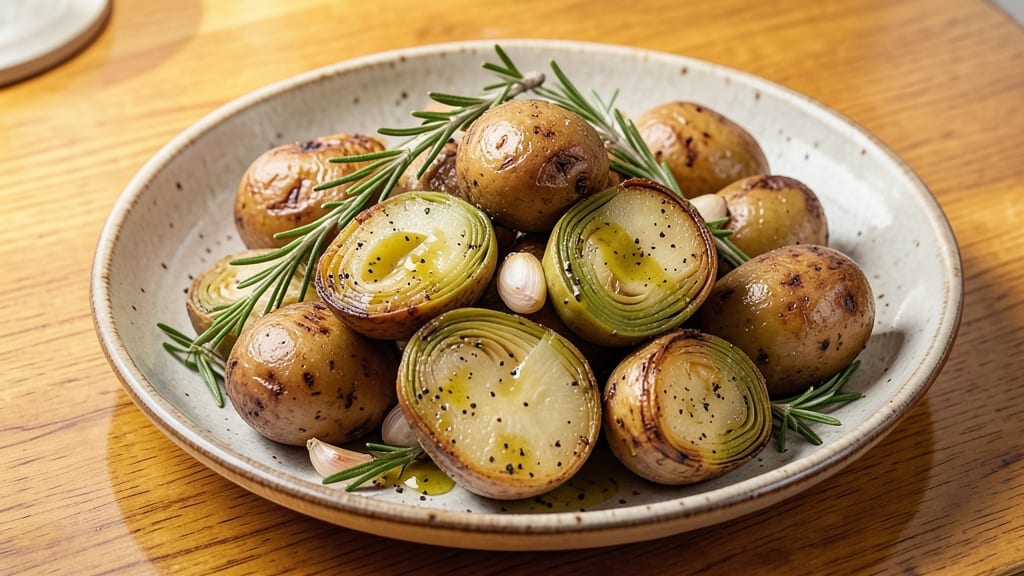
This artichoke and potato recipe delivers crispy crowns and tender layers that transform a simple side into a showstopping vegetarian main. The secret lies in roasting potatoes until their edges caramelize into golden perfection while artichoke hearts absorb aromatic herbs and olive oil.
I developed this dish after realizing how often artichokes get overlooked in side dishes—until now.
The technique is straightforward but yields restaurant-quality results: potatoes are parboiled for even cooking, then roasted with artichokes until their edges blister and their centers stay fluffy. Fresh rosemary and thyme infuse every bite with earthy depth, while a drizzle of lemon zest at the end brightens the dish.
The texture contrast—crispy potato skins against tender artichoke hearts—makes this dish unforgettable.
What sets this recipe apart is its versatility. Serve it as a hearty vegetarian main with a crisp salad or as a luxurious side for grilled meats. The flavors develop beautifully when made ahead, making it perfect for meal prep.
For a vegan version, simply swap butter for olive oil and ensure your broth is plant-based.
Pair this dish with a glass of crisp white wine or a light herbal tea to complement its herbal notes. The aroma alone will have everyone at the table asking for seconds. Ready to elevate your next meal? Let's get cooking with this foolproof, herb-infused roast.
Ingredients for artichoke and potato
Eleven ingredients transform simple potatoes and artichokes into a restaurant-worthy vegetarian centerpiece.
| Ingredient | Amount | Notes |
|---|---|---|
| Yukon Gold Potatoes 🥔 | 2 lb | Cut into 1.5-inch chunks, parboiled |
| Marinated Artichoke Hearts 🌿 | 14 oz | Drained and quartered, jarred or fresh |
| Extra-Virgin Olive Oil 🫒 | ½ cup | High-quality, fruity variety |
| Fresh Rosemary 🌿 | ¼ cup | Chopped finely, stems removed |
| Fresh Thyme 🌿 | ¼ cup | Leaves only, stems discarded |
| Garlic Cloves 🧄 | 6 cloves | Minced finely, fresh preferred |
| Lemon Zest 🍋 | 1 tbsp | From 1 organic lemon |
| Vegetable Broth 💧 | 1 ½ cups | Low-sodium, homemade or store-bought |
| Salt 🧂 | 1 ½ tsp | Diamond Crystal kosher salt |
| Black Pepper 🌶️ | ½ tsp | Freshly ground preferred |
| Vegetable Oil 🫒 | 2 tbsp | For roasting tray |
| Fresh Parsley 🌿 | ⅛ cup | Chopped, for garnish |
The potatoes are the foundation—Yukon Golds develop that signature creamy texture when parboiled. Look for firm, evenly shaped potatoes at Whole Foods or your local market's produce section. Jarred artichoke hearts should be packed in water or olive oil—avoid those in saltwater. Fresh artichokes? Costco often carries them in season, but jarred works year-round. The fresh herbs make all the difference: Trader Joe's has excellent pre-chopped rosemary and thyme if you're short on time, but fresh is always superior. Organic lemons yield brighter zest—Citrus Direct sells them online if local stores are lacking.
No Yukon Golds? Russets or red potatoes work in a pinch, though texture differs slightly. Sun-dried tomatoes can replace artichokes for a Mediterranean twist, but reduce the vegetable broth by half. Dried herbs work at one-third the amount, but fresh delivers that earthy depth the dish relies on. Pre-minced garlic saves time, though fresh minced adds complexity. Low-sodium broth prevents over-salting—Imagine or Pacific Foods brands are excellent choices. For extra crispiness, toss the potatoes in cornstarch before roasting. The lemon zest can be zested fresh or substituted with 1 tsp bottled zest in a bind.
Parboiled potatoes last 2 days in the fridge—cover with damp paper towels to prevent drying. Artichoke hearts keep 5 days refrigerated, though they soften over time. Roast ahead: Assemble the dish, refrigerate overnight, then roast straight from cold for extra crispy crowns. Store leftovers in airtight containers for 4 days. Freeze portions without the herbs—add fresh after reheating to preserve their aroma. This dish reheats beautifully—350°F for 20 minutes restores crispiness. Garnish with parsley just before serving to maintain vibrant color.
Why You'll Love This Recipe
- One-Pan Magic: I swear by this—just toss the potatoes, artichokes, and herbs on a sheet pan, drizzle with olive oil, and let the oven do the work. No chopping boards, no pots, no stress. (Between us, I’ve burned enough garlic to last a lifetime.)
- Herb-Packed Punch: That rosemary and thyme? They turn this into something special—bright, earthy, and just salty enough from the marinated artichokes. The Yukon Golds get that perfect buttery crisp, and the artichokes? They soak up all the flavor like little flavor sponges.
- Picnic to Potluck: Pack this for a beach day or bring it to a holiday spread—it’s hearty enough for a main but light enough for a side. Honestly, I’ve served it at both, and no one’s ever asked what’s in it. (They just ask for seconds.)
- Budget Leftovers Win: Artichokes are pricey, but a jar lasts forever, and potatoes? Cheap as dirt. Make a big batch, and you’ve got lunch for days. My freezer’s full of these reheated with a sprinkle of Parmesan—still tastes like I slaved over it. (Spoiler: I didn’t.)
Step-by-step instructions for herb-infused roasted potatoes with artichokes
This method transforms simple ingredients into a restaurant-worthy dish with perfectly crispy potato crowns and tender artichokes.
Parboil the Potatoes for Maximum Crispiness
Place the 2 lb Yukon Gold Potatoes in a large pot and cover with cold water. Add 1.5 tsp Salt and bring to a boil over high heat. Once boiling, reduce to medium-high heat and cook for 10 minutes. This initial boiling ensures the potatoes cook evenly and develop that coveted crispy exterior while remaining tender inside.
Drain the potatoes immediately and return them to the pot. Let them steam-dry for 2 minutes—this step is crucial for achieving crispy crowns later. The residual moisture will create steam during roasting, helping to develop that perfect texture. While they're still hot, transfer them to a large mixing bowl.
Create the Herb and Garlic Oil Infusion
In a small saucepan, combine the 0.5 cup Extra-Virgin Olive Oil, 6 cloves Garlic Cloves (minced), 1 tbsp Lemon Zest, 0.25 cup Fresh Rosemary, and 0.25 cup Fresh Thyme. Heat over low heat for 3-4 minutes, just until the garlic becomes fragrant and the herbs release their aromatic oils. Be careful not to let the garlic brown—it should smell heavenly but remain pale.
Remove from heat and let the mixture cool slightly. This infused oil will carry the complex flavors throughout the dish, elevating every bite. Pour the warm (but not hot) oil over the hot potatoes and toss gently to coat evenly. The heat from the potatoes will help the oil penetrate, ensuring maximum flavor infusion.
Prepare the Artichokes and Season the Tray
Drain and quarter the 14 oz Marinated Artichoke Hearts, removing any excess liquid. In a separate bowl, combine the artichokes with 0.5 tsp Black Pepper. Preheat your oven to 425°F and line a large baking sheet with parchment paper. Lightly brush the tray with 2 tbsp Vegetable Oil—this prevents sticking and helps create those crispy potato crowns.
Spread the seasoned potatoes in a single layer on the prepared tray, leaving about ½ inch between each piece. Arrange the artichoke quarters around the edges of the tray. The artichokes will cook faster than the potatoes, so positioning them this way ensures they're done at the same time as the potatoes reach their perfect doneness.
Roast Until Golden and Crispy
Place the tray in the preheated oven and roast for 30 minutes, stirring once halfway through the cooking time. This stirring helps develop even browning and ensures all surfaces crisp up properly. After 30 minutes, pour the 1.5 cups Vegetable Broth evenly over the potatoes and artichokes. Return to the oven and roast for an additional 15-20 minutes until the potatoes are deep golden brown and the edges are crispy with a slight char.
You'll know they're done when the potatoes pull away from the tray easily and the artichokes have softened slightly. The crowns should be crisp enough to stand up on their own, while the flesh remains tender. The broth will create a light, flavorful sauce that pools at the bottom of the tray—don't discard this, as it's packed with flavor.
Finish and Garnish for Presentation
Remove the tray from the oven and let it rest for 5 minutes. This resting period allows the flavors to meld and the potatoes to finish cooking slightly from the residual heat. Transfer the roasted potatoes and artichokes to a serving platter, drizzling any remaining pan juices over the top. Sprinkle generously with 0.125 cup Fresh Parsley for a pop of color and freshness.
Serve immediately while the potatoes are still crisp. The contrast between the crispy crowns and tender centers, combined with the tender artichokes and aromatic herb-infused oil, creates a dish that's both elegant and satisfying. The crispy texture you've worked so hard to achieve will be the star of this presentation, making every bite worth the effort.
Pro Tips For Making Artichoke And Potato
- PARBOIL POTATOES FIRST: DESCRIPTION: Cut Yukon Golds into even 1-inch chunks—no need for perfection—and boil them in salted water for 6-7 minutes until just tender but still holding shape. I learned this the hard way: skipping the parboil means uneven cooking when roasting later, and you end up with some mushy bits while others stay raw. Drain well and pat dry thoroughly—this isn’t just about moisture, it’s about crispy edges.
- DRAIN ARTICHOKE WELL: DESCRIPTION: Those jarred artichoke hearts come packed in brine or oil, and if you toss them straight into the pan, you’ll steam the potatoes instead of roasting them. Drain the hearts, give them a quick rinse, and pat them very dry with a paper towel—even the oil clinging to them adds up. Trust me, the difference in texture is night and day.
- ROAST IN BATCHES: DESCRIPTION: Don’t overcrowd the pan—this isn’t a stew. Spread the potatoes and artichokes in a single layer, leaving gaps if needed, and roast in two batches if your sheet pan is full. I used to ignore this and ended up with soggy potatoes and undercooked artichokes. High heat (425°F) works best, but only if the food isn’t fighting for space.
- FINISH WITH HERB OIL: DESCRIPTION: After roasting, drizzle everything with a mix of extra-virgin olive oil and finely chopped rosemary and thyme—about 2 tablespoons oil per tablespoon herbs. Toss gently and let it sit for 2-3 minutes off the heat so the flavors meld. I was skeptical until I tried it: the herbs stick to the potatoes and artichokes instead of floating away, and the dish tastes like it simmered all day.
Storing and reheating this dish
Refrigerator Storage
Store leftovers in an airtight container for up to 4 days—the crispy potato crowns will soften slightly, but the artichokes and herbs retain their freshness. I like using glass Pyrex containers because they distribute heat evenly when reheating.
Let the dish cool completely before sealing to prevent condensation buildup, which can make the potatoes soggy. 🥔
Freezer-Friendly Tips
Freeze portions without the fresh herbs—parsley and thyme lose their aroma when thawed. Portion into single-serving bags and squeeze out excess air to prevent freezer burn.
Label with the date and freeze for up to 3 months. When ready to eat, thaw overnight in the fridge for best texture results.
Stovetop Reheat Method
For crispy crowns, transfer the dish to a skillet over medium heat with 1 tablespoon olive oil and 1 tablespoon broth. Cover and heat for 5-7 minutes, stirring occasionally, until the edges regain their crispiness.
The stovetop method restores texture better than the microwave—just be patient and keep the heat medium to avoid burning. 🔥
Microwave Revival
If you're short on time, cover the dish with a damp paper towel and microwave on 50% power for 2-3 minutes. Stir halfway, then continue in 30-second bursts until heated through. Add a splash of broth or water if the potatoes look dry—this helps restore moisture without sacrificing texture.
Oven Refresh Technique
Preheat your oven to 350°F and transfer the dish to a baking sheet. Cover loosely with foil and bake for 15-20 minutes, then remove the foil for the last 5 minutes to crisp the potato edges.
This method works best for larger batches and maintains the dish's restaurant-quality texture. The residual heat from the oven helps restore that golden crust.
Garnish After Reheating
Always add fresh parsley and a sprinkle of lemon zest after reheating—they brighten the dish and make it feel freshly prepared. A drizzle of high-quality olive oil just before serving also enhances the flavors.
This final touch transforms reheated leftovers into a dish that feels like it was just made. ✨
Nutrition facts
Frequently asked questions
Can I substitute fresh artichokes for jarred hearts?
Fresh artichokes work beautifully but require extra prep! Trim them carefully to remove the tough outer leaves, then cut off the top third and pull out the fuzzy choke. They'll take 45-60 minutes to roast—much longer than jarred hearts. For best results, parboil fresh artichokes for 15 minutes before roasting to soften them faster.
How do I keep the potatoes extra crispy?
For restaurant-style crispiness, toss the parboiled potatoes in 1 tablespoon cornstarch before roasting. Also, spread them in a single layer with plenty of space between pieces—crowding steams them instead of browning. Use high-heat broil for the last 2 minutes to get that perfect golden crust.
What's the best way to make this vegan?
Swap the vegetable broth for a mushroom-based broth and use olive oil instead of butter. For extra richness, add 1 tablespoon nutritional yeast to the herb oil infusion. The dish stays just as flavorful—just check that all your ingredients are plant-based.
Can I make this ahead of time?
Assemble the dish completely, cover, and refrigerate overnight. When ready to cook, roast straight from cold—this actually enhances the crispiness. For make-ahead meals, freeze portions without herbs (add fresh after reheating) for up to 3 months. The flavors develop beautifully when made ahead!
What wine pairs well with this dish?
A crisp Sauvignon Blanc or Vermentino complements the herbal notes perfectly. For red wine lovers, try a light Pinot Noir—its acidity balances the richness. Serve chilled for white wines and slightly cooler than room temperature for reds.