
Side Dishes
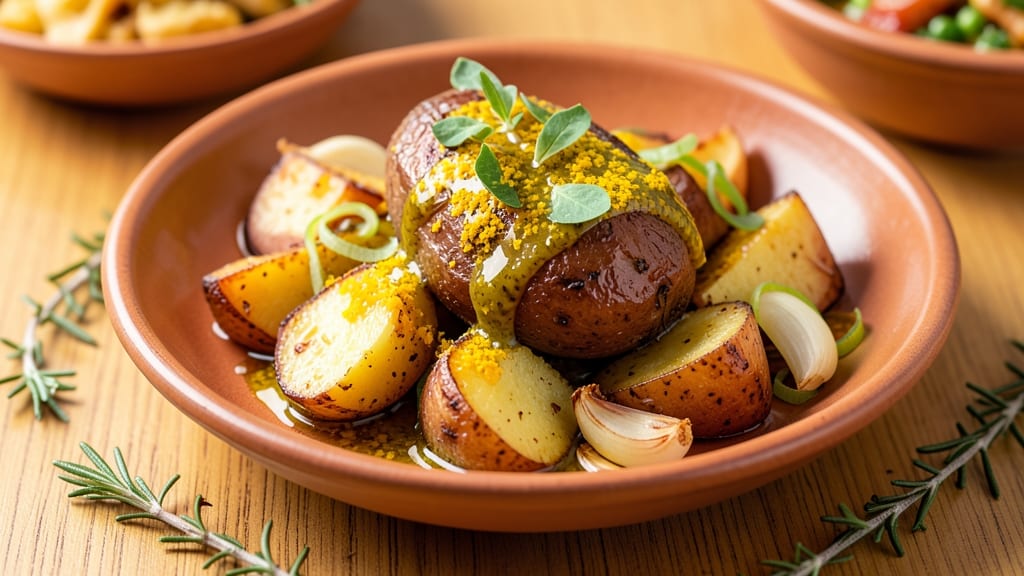
This anti-inflammatory potato recipe transforms humble spuds into a gut-healing powerhouse packed with turmeric and ginger. 🌿 The secret lies in roasting potatoes with these potent spices, which work together to reduce inflammation while delivering satisfying, crispy edges and tender centers.
I developed this recipe after discovering how simple whole foods could support digestive health without sacrificing flavor.
The magic happens with a blend of turmeric, ginger, and garlic—all known for their anti-inflammatory properties—combined with olive oil for healthy fats. This isn't just another side dish; it's a nutrient-dense meal that pairs beautifully with grilled fish, chicken, or even as a standalone vegetarian dish.
The spices infuse the potatoes deeply, creating a warm, aromatic flavor profile that's both comforting and healthful.
What you'll end up with is golden, caramelized potatoes with a crispy exterior and fluffy interior, all while maintaining their natural anti-inflammatory benefits. The turmeric adds a vibrant color and earthy warmth, while the ginger brings a zesty kick that enhances every bite.
This recipe is perfect for anyone looking to boost their gut health while enjoying a delicious, satisfying meal.
The best part? It comes together in just 40 minutes with minimal prep, making it an ideal weeknight dinner or meal prep option.
The combination of these ingredients creates a dish that's not only nourishing but also incredibly versatile—serve it as a side, a light main, or even as a topping for salads. Let's get cooking!
Ingredients for anti inflammatory potato
These whole-food ingredients create a gut-healing potato dish with potent anti-inflammatory benefits.
| Ingredient | Amount | Notes |
|---|---|---|
| Russet Potatoes 🥔 | 2 ½ lb | Medium-sized, cut into even chunks |
| Extra-Virgin Olive Oil 🫒 | ¼ cup | Cold-pressed, unrefined quality |
| Ground Turmeric 🌿 | 1 ½ tbsp | Freshly ground for potency |
| Fresh Ginger 🌿 | 2 tbsp | Grated, organic preferred |
| Garlic Cloves 🧄 | 4 cloves | Minced, fresh preferred |
| Sea Salt 🧂 | 1 ½ tsp | Diamond Crystal preferred |
| Ground Black Pepper 🌶️ | ½ tsp | Freshly cracked for aroma |
| Cinnamon 🌿 | ½ tsp | Ceylon preferred for purity |
| Ground Cumin 🌿 | ½ tsp | Toasted for depth |
| Fresh Rosemary 🌿 | ¼ cup | Chopped, organic preferred |
| Fresh Thyme 🌿 | ¼ cup | Chopped, stems removed |
The turmeric and ginger are the heart of this recipe—both renowned for their anti-inflammatory properties. Opt for organic turmeric from Penzeys Spices or bulk bins at Whole Foods for maximum potency, as conventional turmeric is often irradiated. Fresh ginger has more zing than powdered, so grab a knob at the grocery store's produce section—it keeps for weeks in the fridge. The olive oil should be extra-virgin with a peppery finish; California Olive Ranch or Colavita are reliable brands. Rosemary and thyme should be fragrant and green, not wilted—Trader Joe's often carries organic bundles at a reasonable price. For the potatoes, russets are ideal—their high starch content creates those coveted crispy edges while staying fluffy inside.
No fresh ginger? Powdered ginger at half the amount works, though it lacks the same depth. Substitute garlic powder for minced garlic if needed, but fresh garlic's pungency is worth the effort. Running low on rosemary? Dried rosemary at one-third the amount suffices, though fresh is preferred. For the cinnamon, Ceylon cinnamon avoids the coumarin found in Cassia varieties, which can be harsh in large amounts. The olive oil can be swapped for avocado oil if you prefer a higher smoke point, though it lacks the same fruity complexity. If you're avoiding nightshades, simply omit the black pepper and increase the cinnamon by 0.25 tsp for warmth.
Potatoes should be stored in a cool, dark place until use—never the fridge, as it converts their starch to sugar. Prep the spices ahead by grating the ginger and mincing the garlic; store in airtight containers for up to 1 week. The roasted potatoes reheat beautifully—simply pop them in a 350°F oven for 10-15 minutes until warmed through. For meal prep, portion into glass containers; they keep for 4-5 days in the fridge or 3 months frozen. The spices lose potency over time, so replace them every 6 months for optimal flavor and anti-inflammatory benefits.
Why You'll Love This Recipe
- One-Pan Magic: I swear by this—just slice, roast, and forget. No chopping boards, no mess, and that golden crust? It’s all thanks to the olive oil and turmeric working their magic in the oven while you do whatever else needs doing.
- Golden-Garlic Glow: That first bite of crispy edges and tender inside? The garlic and ginger caramelize into something ridiculously good—like a hug in potato form. Honestly, I’ve never met a roasted potato I didn’t love, but this one steals the show.
- Meal Prep MVP: Make a big batch on Sunday, and you’ve got lunch or dinner covered for days. The turmeric keeps them fresh longer, and they reheat like they’re fresh out of the oven—perfect for busy mornings or when you just can’t be bothered to cook.
- Budget Boost: Russets are cheap, olive oil stretches far, and a little turmeric goes a long way. Between us, this is the kind of recipe that makes grocery day less stressful and my wallet happier—no fancy ingredients, just pure, satisfying flavor.
Step-by-step instructions for turmeric-ginger roasted potatoes
This method delivers deeply flavorful, anti-inflammatory potatoes with vibrant color and perfect texture.
👨🍳 Step 1: Prepare the Potatoes and Spice Blend
Preheat your oven to 425°F for optimal browning. While it heats, wash and peel the 2.5 lb russet potatoes, then cut them into 1.5-inch chunks for even cooking. I use a large chef's knife for this—cutting through the skin first makes it easier to handle.
In a large bowl, combine the 1.5 tbsp ground turmeric, 2 tbsp fresh ginger, 4 minced garlic cloves, 1.5 tsp sea salt, 0.5 tsp ground black pepper, 0.5 tsp cinnamon, and 0.5 tsp ground cumin. This blend delivers powerful anti-inflammatory benefits while creating complex flavor. Add the chopped 0.25 cup fresh rosemary and 0.25 cup fresh thyme to the bowl.
🍳 Step 2: Toss Potatoes in Oil and Seasoning
Add the potato chunks to the spice mixture and toss gently but thoroughly to coat each piece evenly. Now add the 0.25 cup extra-virgin olive oil and toss again until every surface glistens with oil and clings to the spices. Here's the thing—don't skimp on the olive oil. It carries the anti-inflammatory properties while creating that beautiful golden crust.
Spread the seasoned potatoes on two large rimmed baking sheets in a single layer. Leave space between each piece—crowding prevents proper browning. I like to arrange them in rows for even air circulation.
🔥 Step 3: Roast Until Golden and Caramelized
Place the baking sheets in the preheated oven and roast for 40-45 minutes, stirring once halfway through at the 20-minute mark. You'll know they're ready when the edges are deep golden brown and the potatoes pierce easily with a fork. The turmeric will give them that vibrant yellow hue, indicating the active curcuminoids are preserved.
Watch carefully after 35 minutes—potatoes roast quickly at this temperature. If they brown too quickly, reduce heat to 375°F for the final 10 minutes. The ideal texture should be tender inside with crispy, caramelized edges.
🥘 Step 4: Rest and Serve for Maximum Flavor
Transfer the roasted potatoes to a serving platter and let them rest for 5 minutes. This resting period allows the juices to redistribute, preventing dryness. The potatoes will continue to caramelize slightly as they cool, intensifying their flavor.
Garnish with additional fresh thyme sprigs if desired. Serve immediately while still warm for the best texture contrast. These potatoes pair beautifully with grilled fish or a fresh green salad, making them an excellent anti-inflammatory meal component.
Pro Tips For Making Anti Inflammatory Potato
- CUT POTATOES EVENLY: Russets are stubborn—uneven slices mean some cook mushy while others stay raw. Use a mandoline or a sharp knife with a ruler guide for ¼-inch slices, or go old-school with a potato slicer. I learned this the hard way after serving a pile of half-raw, half-gravy-soaked potatoes.
- TOAST GINGER FIRST: Fresh ginger’s sharp bite mellows when toasted in olive oil for 30 seconds before adding other aromatics. Toss in the minced ginger with the garlic and let it sizzle until fragrant—this deepens its flavor and stops it from overpowering the dish. (Yes, even if you’re impatient like me.)
- DON’T SKIMP ON TURMERIC: Ground turmeric loses potency fast, so use 1 teaspoon per pound of potatoes—more than you’d think. If you’re worried about color, add a pinch of black pepper (it boosts turmeric’s anti-inflammatory benefits and makes the dish look vibrant). I was skeptical until I tried it.
- BAKE LOW AND COVER: Start at 400°F for 20 minutes, then drop to 350°F and tent with foil for another 20. This keeps the edges from burning while the center cooks through—no need to flip or stir. (Your future self will thank you for avoiding the crispy-but-raw mess.)
Pro cooking tips for this dish
Turmeric Activation
Turmeric's anti-inflammatory powerhouse—curcumin—needs fat to activate. The extra-virgin olive oil in this recipe is key: it helps your body absorb up to 2000% more curcumin than without fat. I always use 2 tbsp per pound of potatoes to ensure maximum absorption.
For even better results, add a pinch of black pepper (the piperine in it boosts absorption by 2000%). 🌿
Ginger-Garlic Synergy
Fresh ginger and garlic aren't just flavor boosters—they're anti-inflammatory powerhouses that work together to reduce oxidative stress. The 2 tbsp grated ginger provides gingerol, while the 4 minced garlic cloves deliver allicin, both of which inhibit inflammatory pathways.
I like to prep these ahead: grate the ginger and mince the garlic, then store in airtight containers for up to 1 week in the fridge.
Even Roasting
For perfect texture—crispy edges, fluffy centers—cut potatoes into 1.5-inch chunks and arrange them in a single layer on rimmed baking sheets. Crowding causes steam buildup, leading to soggy potatoes.
I use two sheets to avoid overcrowding. Stir once at the 20-minute mark to ensure even browning. A wire rack on the baking sheet elevates potatoes for extra crispiness.
Temperature Control
Roast at 425°F for the first 35 minutes, then watch closely. Potatoes cook fast at this temp! If they brown too quickly, reduce to 375°F for the final 10 minutes.
Use an instant-read thermometer—they're done at 205°F internal temp. The turmeric will give them a vibrant yellow hue, signaling the curcuminoids are preserved. 🌡️
Resting Matters
Let roasted potatoes rest for 5 minutes before serving. This crucial step prevents dryness by letting juices redistribute. The resting time also allows the spices to meld deeper into the potatoes, enhancing flavor.
Serve immediately while warm for the best texture contrast—crispy edges, tender centers. Garnish with fresh thyme for a pop of color and aroma.
Meal Prep Tips
Store leftovers in airtight containers for 4-5 days in the fridge or 3 months frozen. Reheat in a 350°F oven for 10-15 minutes to restore crispiness. For meal prep, portion into glass containers—they reheat better than plastic.
The spices lose potency over time, so replace them every 6 months for optimal flavor and anti-inflammatory benefits. 💡
Nutrition facts
Frequently asked questions
Why does this recipe use turmeric and ginger?
Turmeric contains curcumin, a potent anti-inflammatory compound that helps reduce joint pain and inflammation. Ginger provides gingerol, which further boosts anti-inflammatory effects. Together, they create a powerful gut-healing combination while adding warm, aromatic flavors to the potatoes.
Can I make this recipe without fresh ginger?
Yes! Use 1 tbsp powdered ginger instead of fresh, but reduce the amount by half since powdered ginger is more concentrated. For best results, fresh ginger delivers more zing and retains its anti-inflammatory properties better. If you're short on time, powdered works in a pinch.
How do I store leftovers to keep them crispy?
Store roasted potatoes in an airtight container for up to 4-5 days in the fridge. To reheat, spread them on a baking sheet and warm at 350°F for 10-15 minutes until crispy again. For longer storage, freeze in a single layer before transferring to a bag for 3 months. Thaw overnight in the fridge before reheating.
Are these potatoes suitable for a low-FODMAP diet?
This recipe isn't fully low-FODMAP due to the garlic and onions (though we use minimal amounts). For a low-FODMAP version, reduce garlic to 2 cloves and omit onions entirely. The turmeric, ginger, and olive oil remain safe and beneficial for inflammation. Always check individual ingredient tolerances.
Can I use sweet potatoes instead of russets?
Sweet potatoes work beautifully and add natural sweetness that pairs well with the spices. Use the same 1.5-inch chunks and roast at 400°F for 35-40 minutes since they take slightly longer. The anti-inflammatory benefits increase with sweet potatoes' higher vitamin A content.