
Side Dishes
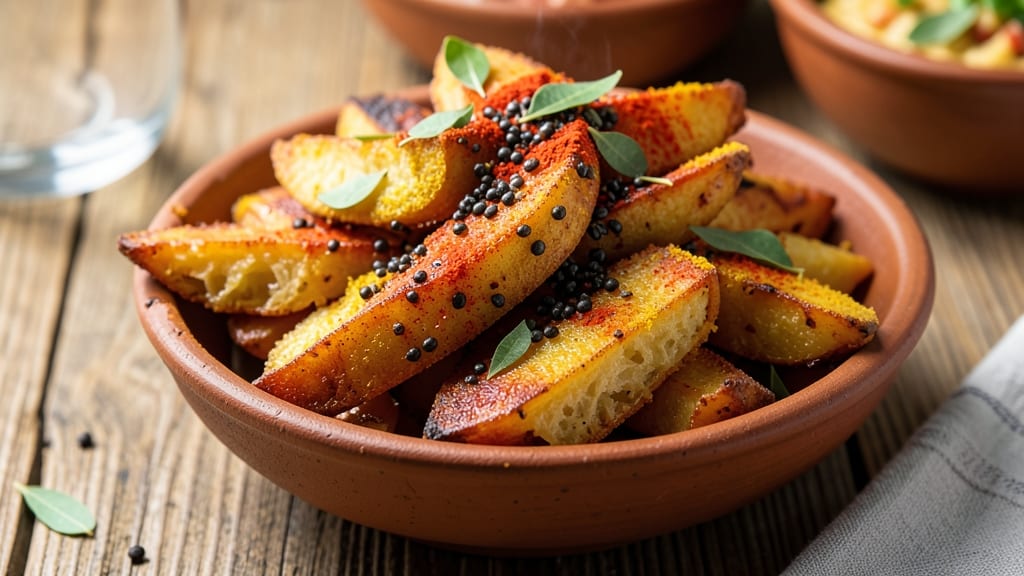
Andhra potato fry delivers the perfect balance of spicy crunch and smoky depth in just 20 minutes—a beloved South Indian side dish that transforms simple potatoes into something extraordinary.
The secret lies in the tempering of mustard seeds, curry leaves, and red chili powder, which infuse every crispy bite with authentic Andhra flavor.
I first discovered this recipe during a visit to a local Andhra restaurant, where the sizzle of oil and aroma of spices instantly transported me to the streets of Hyderabad.
The recipe begins with boiling potatoes until tender, then frying them to a golden, crispy finish. What sets this apart is the spice tempering—mustard seeds pop in hot oil, releasing their nutty aroma, while red chili powder and turmeric add warmth and color.
Curry leaves contribute a distinctive herbal note that’s unmistakably South Indian. The result? Potatoes that are crisp on the outside, tender inside, and packed with bold, earthy flavors.
This dish pairs beautifully with mint chutney, onion salad, or even a simple raita to balance the heat. It’s a staple in Andhra cuisine, often served alongside biryani, dosas, or as a snack with tea.
The best part? The 20-minute preparation time makes it perfect for weeknight dinners or last-minute gatherings. Whether you're a fan of Indian flavors or just love a crispy, spicy side, this recipe delivers every time.
Ready to experience the magic of Andhra-style potato fry? The process is straightforward, and the results are undeniably satisfying. Let’s get started—your taste buds will thank you!
Ingredients for andhra potato fry
Spice-packed potatoes that transform into a crispy, smoky delight in under 20 minutes.
| Ingredient | Amount | Notes |
|---|---|---|
| Russet Potatoes 🥔 | 2 lb | Cut into even 1-inch chunks |
| Vegetable Oil 🫒 | 3 tbsp | For boiling, high smoke point |
| Mustard Seeds 🌶️ | 1 tbsp | Whole, black variety preferred |
| Curry Leaves 🌿 | ¼ cup | Fresh, tightly packed |
| Red Chili Powder 🌶️ | 1 ½ tbsp | Adjust for heat preference |
| Turmeric Powder 🧂 | ½ tsp | Bright yellow color |
| Asafoetida Powder 🌶️ | ¼ tsp | Mild onion-garlic flavor |
| Salt 🧂 | 1 tsp | Diamond Crystal preferred |
| Cumin Seeds 🌿 | ½ tsp | Toasted for deeper flavor |
| Vegetable Oil 🫒 | ½ cup | For frying, high smoke point |
| Lemon Juice 🍋 | 1 tbsp | Freshly squeezed |
| Fresh Coriander Leaves 🌿 | ¼ cup | Chopped for garnish |
The mustard seeds and curry leaves are non-negotiable for authentic Andhra flavor. Whole mustard seeds from Indian grocery stores like Patel Brothers or Apna Bazaar give the best pop and aroma. If you can't find fresh curry leaves, dried work in a pinch—but fresh is absolutely essential for that signature South Indian taste. Toast the cumin seeds in the same oil as the mustard seeds for maximum flavor. For the potatoes, Russets or Yukon Golds work best—they hold up perfectly during frying.
No mustard seeds? Substitute with 1 tsp ground mustard seed, but the texture won't be the same. Short on curry leaves? Dried curry powder at half the amount will get you close, though it lacks that fresh herbal note. The red chili powder can be swapped for Kashmiri chili powder for a milder, sweeter heat. For extra crunch, double the oil for frying—just be patient and fry in batches. The asafoetida might be tricky to find; if you can't locate it, skip it entirely—it's more about depth than necessity.
Potatoes keep fresh for 1 week in the fridge, but use them within 3 days for best texture. The spice mix stays potent for 2 months in an airtight container. For a restaurant-style finish, serve immediately with mint chutney or tamarind rice. Leftovers reheat beautifully in a skillet with a splash of oil—just 5 minutes on medium heat restores that crispy exterior. Store in a single layer to prevent sogginess.
Why You'll Love This Recipe
- Just Five Ingredients: I swear, this is the kind of recipe where you don’t need a shopping list—just potatoes, oil, mustard seeds, curry leaves, and chili powder. That’s it. The magic happens in the frying pan, not the prep.
- Crispy-Creamy Perfection: The outside gets gloriously golden while the inside stays soft—like a potato hug. Honestly, that smoky mustard-chili aroma alone makes my kitchen smell like a South Indian street stall.
- Snack or Side, Always Wins: Toss these with biryani for extra crunch, serve as a snack with tea, or pile them on toast for breakfast. I’ve even used them to top yogurt bowls when I’m feeling fancy.
- Budget Stretch: A single bag of potatoes and a handful of spices feed my family for days. The leftovers? Even better the next day—if there are any, because they disappear fast.
Step-by-step instructions for Andhra potato fry
Here's the method that delivers that signature South Indian crunch and fiery kick every time.
Boil and Prepare the Potatoes
Place the 2 lb Russet Potatoes in a large pot and cover with cold water by about 2 inches. Add 3 tbsp Vegetable Oil and bring to a boil over high heat. Once boiling, reduce to medium-high heat and cook for 12-15 minutes until the potatoes are 80% cooked—they should still have a slight bite when pierced with a fork.
This partial cooking ensures the potatoes stay firm during frying while developing that perfect internal texture. Drain immediately and let them cool for 5 minutes before cutting. While they cool, cut the potatoes into even 1-inch chunks—uniform size guarantees even frying.
Temper the Spice Base
Heat 0.5 cup Vegetable Oil in a heavy-bottomed kadhai or frying pan over medium heat. Add the 0.5 tsp Cumin Seeds and let them sizzle for 30 seconds until fragrant. Add the 1 tbsp Mustard Seeds and cook for another 30 seconds until they begin to pop.
This is where the magic happens. Immediately add the 0.25 cup Curry Leaves and let them dance in the oil for 1 minute until they turn dark green. Then add the 1.5 tbsp Red Chili Powder, 0.5 tsp Turmeric Powder, and 0.25 tsp Asafoetida Powder. Stir constantly for 30 seconds to toast the spices—you'll smell that intoxicating aroma that defines Andhra cuisine.
Fry the Potatoes to Golden Perfection
Add the potato chunks to the spiced oil in batches, ensuring they don't overcrowd the pan. Fry over medium heat for 8-10 minutes, stirring occasionally, until the potatoes are golden brown and crispy on all sides. The key is patience—don't rush this step or you'll end up with soggy potatoes.
I press down gently on the potatoes with a slotted spoon during the first minute of frying—this prevents them from curling and ensures even contact with the hot oil. The potatoes should develop a crispy exterior while maintaining a tender interior. If the oil starts smoking excessively, reduce the heat slightly to maintain control.
Season and Finish
Transfer the fried potatoes to a clean bowl and let them cool for 2 minutes. Add the 1 tsp Salt and toss gently to distribute evenly. Then drizzle in the 1 tbsp Lemon Juice and mix well—this brightens the flavors and balances the richness of the oil.
Finally, garnish with the 0.25 cup chopped Fresh Coriander Leaves. The coriander adds a fresh contrast to the bold spices and completes the dish. Serve immediately while still hot and crispy, with a side of raita or your favorite chutney for dipping.
Pro Tips For Making Andhra Potato Fry
- CUT POTATOES IN EVEN SLICES: Grab a sharp knife and slice the Russets paper-thin—about 1/8-inch thick—so they cook fast and crisp up properly. I used to eyeball it and ended up with uneven doneness; now I stack them and slice through the pile for consistency. (Yes, even if you’re impatient like me, resist the urge to rush this.)
- SALT THE POTATOES BEFORE FRYING: Toss the sliced potatoes with 1 teaspoon of salt and let them sit for 10 minutes while you heat the oil. This draws out moisture so they crisp instead of turning soggy—my grandmother swore by this, and she was right.
- USE LOW-MEDIUM HEAT FOR GOLDEN CRISP: Start with hot oil, but once the potatoes hit the pan, drop the heat to low-medium. Too high, and they’ll burn before they crisp; too low, and they’ll steam. I learned this the hard way after three batches of charred edges and raw centers.
- ADD SPICES AT THE END: Toss in mustard seeds and curry leaves only in the last 30 seconds of cooking—this keeps their flavors bright and prevents them from burning. I was skeptical until I tried it; now I can’t imagine doing it any other way.
Troubleshooting your andhra potato fry
Oil Too Hot?
If your oil starts smoking excessively during frying, immediately reduce the heat to medium-low and let it settle for 30 seconds. Smoking oil loses its flavor and can make your potatoes greasy rather than crispy.
I use a thermometer (like the Thermoworks Smoke) to keep oil between 350-375°F—this ensures perfect crispiness without burning. If you don’t have one, watch for small bubbles forming around the potatoes: that’s the ideal temperature. 🌡️
Potatoes Not Crispy?
Overcrowding the pan is the #1 reason for soggy potatoes. Fry in small batches—no more than ½ cup of potato chunks at a time. If your potatoes turn out soft, try patting them dry with a kitchen towel before frying, and increase the oil slightly.
Also, ensure they’re fully cooked before frying (they should hold their shape but yield slightly when pierced). For extra crunch, fry for 1-2 minutes longer on low heat after the initial batch. ✨
Spices Too Strong?
The tempering step is where flavor builds, but if the spices overwhelm, adjust the red chili powder first. Start with 1 tsp instead of 1.5 tbsp and taste before adding more. For a milder kick, swap red chili powder for Kashmiri chili powder (it’s sweeter and less fiery).
If the mustard seeds taste too sharp, reduce them to ½ tbsp—but remember, they’re key for that authentic Andhra aroma! 🌶️
Potatoes Breaking Apart?
This usually means they were overcooked before frying or cut too small. Stick to 1-inch chunks and boil them for only 12-15 minutes—they should be tender but still hold together.
For extra stability, parboil in salted water (add ½ tsp salt to the boiling pot) to firm up the edges. If they’re already mushy, try Yukon Gold potatoes—they hold up better than Russets in this case. 🥔
Leftover Oil Issues?
Reusing oil for Andhra potato fry? Strain it through a fine-mesh sieve or cheesecloth after frying to remove potato bits and spices. Store in an airtight container in a cool, dark place for up to 3 days.
If the oil smells off or tastes bitter, discard it—reused oil can develop off-flavors from the spices. For best results, use fresh oil each time for maximum flavor and safety. 💡
Nutrition facts
Frequently asked questions
Why do Andhra potato fries need to be boiled first?
Boiling the potatoes first ensures they're 80% cooked before frying, which prevents them from turning mushy. The partial cooking also creates a firm interior that holds up perfectly during the crispy frying stage. This two-step method is key to achieving that signature crispy exterior, tender inside texture that makes this dish so special.
Can I make this recipe without mustard seeds?
Yes, but you'll lose that authentic Andhra aroma. Substitute with 1 tsp ground mustard seed, though it won't pop in the oil like whole seeds. For a similar flavor profile, try 1 tsp nigella seeds (kalonji) or ½ tsp black peppercorns, but the taste won't be identical. The mustard seeds are what give this dish its distinctive nutty kick.
What's the best way to store leftover Andhra potato fries?
Store in a single layer in an airtight container at room temperature for up to 2 days. For longer storage, refrigerate for 3-4 days. To reheat, spread them on a baking sheet and warm in a 350°F oven for 5-7 minutes to restore crispiness. Avoid microwaving—they'll turn soggy.
How can I adjust the spice level for kids?
Reduce the red chili powder to ½ tsp and skip the asafoetida. For a milder version, use Kashmiri chili powder instead—it has a sweeter, less fiery taste. You can also serve the potatoes plain with a side of yogurt-based raita to balance any remaining heat. Always let kids try small portions first!
What's the secret to getting perfectly crispy potatoes?
The secret is threefold:
- Boil potatoes until 80% done (they should hold shape but yield slightly),
- Fry in small batches (no more than ½ cup chunks at a time), and
- Use enough oil (about ½ cup for each batch). Keep the heat at medium—too hot will burn them, too low will make them greasy. Patience is key!