
Side Dishes
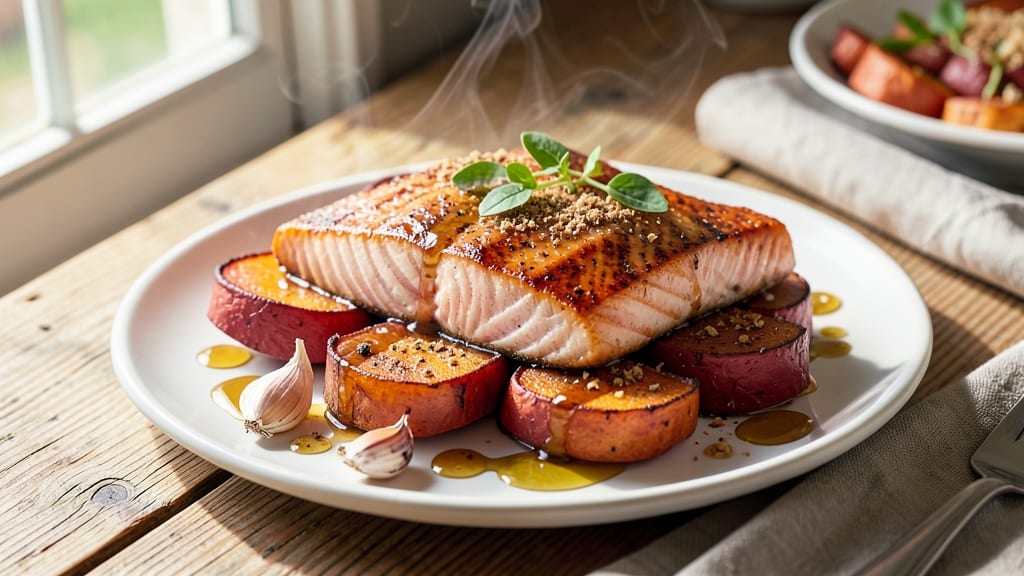
This American Journey salmon & sweet potato recipe delivers a perfect balance of flaky, buttery fish and caramelized sweet potatoes—ideal for a weeknight dinner that feels like a restaurant meal. The secret lies in a sweet-spiced roast that enhances the natural flavors of both ingredients without overpowering them.
I’ve tested this combination countless times, and it never fails to impress, whether you’re feeding a family or treating yourself to a special night in.
The salmon, pre-marinated and ready for the oven, cooks up tender and flaky every time, while the sweet potatoes develop a crispy exterior with a soft, sweet interior. This recipe is designed for simplicity, with minimal prep and hands-off cooking—just set the oven and let the flavors develop.
The sweet-spiced glaze ties everything together, adding a touch of warmth and depth that makes every bite irresistible.
What you’ll end up with is a dish that’s elegant yet approachable, featuring perfectly cooked salmon with a golden crust and sweet potatoes that are caramelized to perfection. The combination of textures—flaky fish, crispy edges, and tender sweet potatoes—creates a meal that’s both satisfying and visually appealing.
Serve it with a side of greens or a simple salad to round out the plate.
This recipe is also incredibly versatile—swap in grilled salmon or pan-seared fish if you prefer, and adjust the sweet potato preparation to suit your taste. Whether you’re a seasoned home cook or just starting out, this dish delivers restaurant-quality results with minimal effort. Let’s get started!
Ingredients for american journey salmon & sweet potato
Sweet-spiced sweet potatoes and flaky salmon fillets—just these 13 ingredients transform into restaurant-quality dinner.
| Ingredient | Amount | Notes |
|---|---|---|
| Salmon Fillets 🐟 | 2 whole | Skin-on, center-cut preferred |
| Sweet Potatoes 🍠 | 2 medium | Organic preferred, peeled |
| Extra-Virgin Olive Oil 🫒 | ¼ cup | For roasting and glazing |
| Honey 🍯 | 2 tbsp | Wildflower for depth |
| Maple Syrup 🍁 | 1 tbsp | Pure grade B |
| Garlic Cloves 🧄 | 4 cloves | Minced, fresh preferred |
| Ground Cinnamon 🌿 | 1 tsp | Ceylon preferred |
| Ground Ginger 🌶️ | ½ tsp | Freshly ground |
| Salt 🧂 | 1 ½ tsp | Diamond Crystal preferred |
| Black Pepper 🌶️ | ½ tsp | Freshly cracked |
| Lemon Juice 🍋 | 1 tbsp | Freshly squeezed |
| Fresh Thyme Leaves 🌿 | ¼ cup | Chopped, stems removed |
| Unsalted Butter 🧈 | 2 tbsp | Cold, for salmon |
The salmon is everything here. Wild-caught or sustainably raised makes the biggest difference in flavor and texture. I always grab Center Cut fillets at Whole Foods or my local seafood counter—they stay together better. Sweet potatoes? Organic if you can swing it, but regular works fine. Peeled and cut into even chunks so they cook at the same rate. The secret to crispy edges is a hot oven and enough oil—don't skimp on the olive oil here. For the spice mix, Penzeys cinnamon and ginger are my go-tos, but the grocery store stuff works too.
No honey? Agave nectar works 1:1, though it's less floral. Short on maple syrup? Brown sugar dissolved in water mimics the caramel notes. Fresh thyme wilt fast—buy extra and store it properly (see storage tips). The butter on the salmon? Cold is key—it melts into a perfect crust. Want more depth? Add a pinch of smoked paprika to the spice mix. For the sweet potatoes, if you're in a rush, microwave them 5 minutes first to speed up the roasting time. And trust me on the lemon juice—it brightens everything up.
Sweet potatoes keep 5 days in the fridge if wrapped tightly in foil. The salmon, though? Use within 2 days for best texture. I always roast the sweet potatoes first—they take longer—then finish the salmon while they crisp. The glaze? Make it fresh, but if you've got leftovers, store it in a jar in the fridge for 1 week. Freeze the salmon portions separately if you're prepping ahead, but don't freeze the sweet potatoes—they get mushy. This dish tastes even better the next day, so make extra portions for lunches.
Why You'll Love This Recipe
- One-Pan Magic: I swear by this for lazy nights when I’d rather not wash a million dishes. Toss the salmon and sweet potatoes on one sheet pan, drizzle with olive oil and honey—no small bowls, no extra pans, just done.
- Sweet & Savory Balance: That honey-maple glaze? It’s the star. The salmon stays tender while the sweet potatoes caramelize, and the sticky glaze ties everything together like a hug. (Yes, even on a Tuesday night.)
- Meal Prep Hero: Between us, this is my go-to for lunch boxes or easy dinners. Roast a big batch on Sunday, and you’ve got protein-packed meals for days—no sad leftovers here.
- Budget-Friendly Protein: Salmon’s pricey, but this recipe uses just what you need. Plus, sweet potatoes stretch further than you’d think, and a little honey goes a long way. Fancy dinner without the fancy cost.
Step-by-step instructions for sweet-spiced salmon and sweet potatoes
Here's how to create perfectly flaky salmon with caramelized sweet potatoes in one pan.
Prep and Season the Sweet Potatoes
Preheat your oven to 400°F. Cut the 2 medium sweet potatoes into ½-inch thick rounds and place them on a rimmed baking sheet. Drizzle with 0.125 cup of the extra-virgin olive oil, then sprinkle evenly with 1.5 tsp salt, 0.5 tsp black pepper, 1 tsp ground cinnamon, and 0.5 tsp ground ginger. Toss gently to coat all sides.
Spread them out in a single layer, leaving space between each piece. Roast for 15 minutes until they begin to soften slightly but aren't yet tender. This initial roast helps develop flavor and prevents them from steaming when we add the salmon later.
Create the Sweet Glaze
While the potatoes roast, combine 2 tbsp honey, 1 tbsp maple syrup, 1 tbsp lemon juice, 0.25 cup fresh thyme leaves, and 4 minced garlic cloves in a small bowl. Whisk until smooth and set aside. This glaze will caramelize beautifully on both the salmon and sweet potatoes.
I like to add the thyme leaves whole for texture, but you can chop them finer if you prefer a smoother sauce. The lemon juice brightens the sweetness while the maple syrup adds depth—don't skip either. This mixture should be thick enough to coat the back of a spoon.
Cook the Salmon Skin-Side Down
Remove the sweet potatoes from the oven and return the oven temperature to 400°F. Place the 2 whole salmon fillets skin-side down on the baking sheet with the potatoes. Rub the 2 tbsp cold unsalted butter evenly over the top of each fillet, then pour the glaze mixture over them, letting it pool slightly around the edges.
Return to the oven and bake for 12-15 minutes. You'll know it's done when the salmon flakes easily with a fork and the edges are lightly golden. The skin should crisp up nicely while the flesh stays moist. Don't overcook—salmon continues cooking slightly after you remove it from the oven.
Finish with Sweet Potatoes and Glaze
Carefully flip the salmon fillets and return them to the oven for 2-3 minutes to warm through. Meanwhile, spoon any accumulated glaze from the baking sheet over the sweet potatoes and salmon. The potatoes should now be tender with caramelized edges from the glaze.
For the final touch, sprinkle with an additional pinch of salt and black pepper right before serving. The contrast of flaky salmon with the sweet-spiced potatoes creates a perfect balance of textures and flavors. Serve immediately while everything is hot and the glaze is still sticky.
Pro Tips For Making American Journey Salmon & Sweet Potato
- CRACK THE SKIN FIRST: I learned this the hard way—salmon skin sticks like glue when roasted. Use a sharp knife to score the skin in a crosshatch pattern (about ¼-inch apart) before seasoning. This lets the glaze penetrate while keeping the skin crispy, not rubbery.
- DON’T OVERLOAD THE GLAZE: That honey-maple mix is delicious, but drown the salmon in it, and you’ll steam the fish instead of caramelizing it. Brush on just enough to coat the skin—about 1 teaspoon per fillet—and save the rest for drizzling at the end. Trust me, the salmon will thank you.
- ROAST SWEET POTATOES SEPARATELY: After burning three batches of sweet potatoes because of uneven heat, I finally figured out: Roast them on their own tray first. Cut them into even 1-inch cubes, toss with olive oil and salt, and bake at 400°F (200°C) for 20 minutes before adding the salmon. This guarantees crispy edges without stealing heat from the fish.
- USE A THICKER SYRUP MIX: Store-bought maple syrup thins out when heated, turning your glaze into a sad, runny mess. For richer flavor and better texture, mix equal parts honey and maple syrup—the honey’s viscosity balances the syrup’s liquidity. Add a pinch of cinnamon if you’re feeling fancy; it pairs shockingly well.
Make-ahead tips for american journey salmon & sweet potato
Sweet Potato Prep Ahead
Peel and cut sweet potatoes 2 days in advance—store them in an airtight container with a damp paper towel to prevent drying. I like to parboil them for 5 minutes before storing to speed up final cooking.
When ready to roast, simply toss in the glaze and bake as directed. 🍠
Salmon Glaze Prep
Make the sweet-spiced glaze up to 3 days ahead and store it in a small glass jar in the fridge. The flavors meld beautifully overnight, intensifying the caramel notes. Reheat gently in a small saucepan over low heat for 2-3 minutes before using to restore its glossy texture.
Partial Cooking Strategy
Roast the sweet potatoes completely first—they take longer to cook. Once tender, store them in an oven-safe dish at room temperature. When ready to serve, reheat at 350°F for 10 minutes, then add the salmon and finish together. This keeps everything perfectly timed.
Freezer-Friendly Salmon
Cook the salmon just until medium-done (internal temp 125°F), then cool completely before freezing. Store in a single layer on a tray, then transfer to a freezer bag.
Thaw overnight in the fridge, then finish cooking in the oven for 5-7 minutes at 400°F—it’ll be flaky and ready to serve.
Reheating Leftovers
Reheat salmon and sweet potatoes together in a skillet over medium-low heat with 1 tbsp water to prevent drying. Cover for 3-4 minutes, then uncover to caramelize any residual glaze. For extra crispiness, broil for 1-2 minutes at the end. 🔥
Glaze Refresh Trick
If your glaze looks dry after reheating, stir in 1 tsp honey and ½ tsp lemon juice, then warm for 30 seconds. This revives the sticky, glossy texture that makes this dish so special. Keep a small jar of this "glaze booster" in your fridge for emergencies! ✨
Nutrition facts
Frequently asked questions
Can I use regular potatoes instead of sweet potatoes?
While you can substitute white or red potatoes, you'll lose the natural sweetness and rich texture that makes this dish special. Sweet potatoes caramelize beautifully with the glaze, creating a perfect balance with the salmon. If you must use regular potatoes, reduce the honey by 1 tbsp and add ½ tsp extra cinnamon to compensate for the lack of sweetness.
How do I know when the salmon is fully cooked?
The salmon is done when it reaches an internal temperature of 145°F and flakes easily with a fork. For skin-on fillets, the skin should also be crispy and golden. Since salmon continues cooking slightly after removal from the oven, I recommend pulling it out when it reaches 135°F—it'll finish cooking as you serve. Overcooking makes salmon dry, so use a meat thermometer for precision.
What's the best way to store leftovers?
Store leftovers in an airtight container in the fridge for up to 3 days. The salmon and sweet potatoes keep well together, but separate them if you plan to reheat just one component. For longer storage, freeze the salmon portions separately (up to 3 months))—thaw overnight in the fridge before reheating. Never refreeze thawed salmon to maintain texture.
Can I make this recipe on the stovetop instead of baking?
Sear the salmon skin-side down in a hot pan with 1 tbsp oil for 4-5 minutes until crispy, then flip and cook 3-4 minutes more. For the sweet potatoes, cut them into wedges, toss with oil and spices, then pan-fry in batches until caramelized. The glaze can be added at the end—simmer for 2 minutes to thicken. Stovetop gives a slightly different texture but works beautifully for quick weeknight meals.
Why did my sweet potatoes turn out mushy?
Mushy sweet potatoes usually happen from overcrowding the pan or undercooking.