
Side Dishes
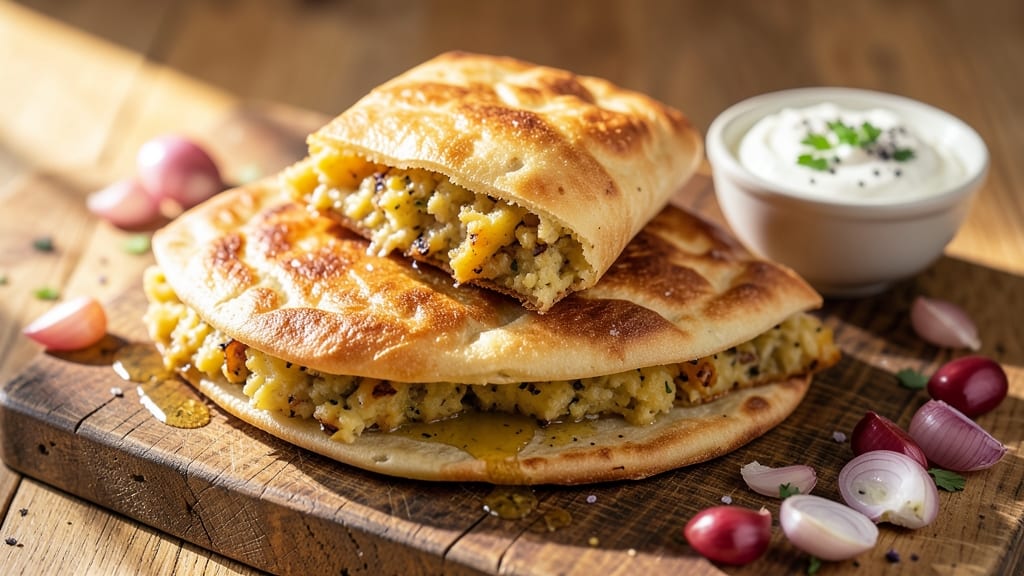
This aloo paratha potato recipe delivers the perfect balance of crispy flaky layers and spiced, mashed potato filling that makes every bite irresistible. 💛 The secret lies in the dough's elasticity and the filling's seasoning—two elements that transform simple ingredients into a restaurant-quality dish.
I've perfected this technique over years of testing, ensuring the parathas stay golden, crisp, and packed with flavor.
The process begins with boiling and mashing potatoes until they're perfectly smooth, then seasoning them with cumin, coriander, and green chilies for that authentic North Indian taste. Meanwhile, the dough is kneaded just right—neither too stiff nor too soft—to create the signature flaky texture when cooked.
This isn't just a side dish; it's a labor of love that elevates any meal.
What you'll achieve is a stack of aloo parathas with crispy, puffed layers that shatter slightly with each bite, revealing tender potato filling inside. The aroma alone—warm, spiced, and buttery—will have everyone at the table asking for seconds. Serve with yogurt, pickle, or butter for the full experience.
This recipe is designed for both beginners and experienced cooks, with clear steps for stuffing, sealing, and cooking the parathas to perfection. Whether you're feeding a family or hosting guests, these aloo parathas will be the star of the meal. Let's get started!
Ingredients for aloo paratha potato
Simple ingredients transform into golden, flaky aloo parathas with crisp edges and spiced potato centers.
| Ingredient | Amount | Notes |
|---|---|---|
| Russet Potatoes 🥔 | 2 ½ lb | Medium-sized, peeled and boiled |
| All-Purpose Flour 🌾 | 3 cups | For dough, plus extra for dusting |
| Plain Yogurt 🥛 | ½ cup | Whisked for dough elasticity |
| Ghee or Unsalted Butter 🧈 | ½ cup | Ghee preferred for authentic flavor |
| Ground Cumin Seeds 🌿 | 1 ½ tbsp | Toasted for deeper aroma |
| Ground Coriander 🌿 | 1 ½ tbsp | Freshly ground preferred |
| Green Chilies 🌶️ | 3 whole | Fresh, finely chopped |
| Salt 🧂 | 1 ½ tsp | Adjust to taste |
| Garlic Cloves 🧄 | 4 cloves | Minced for filling |
| Fresh Cilantro 🌿 | ¼ cup | Chopped for garnish |
| Oil for Cooking 🫒 | ½ cup | Vegetable or ghee |
The potatoes are the foundation—Russet potatoes give the best texture when boiled and mashed smooth. Look for firm, unblemished potatoes at Whole Foods or your local Indian grocery for the freshest options. The dough's secret lies in the yogurt—plain, unsweetened yogurt works best, but Greek yogurt adds extra richness. For the filling, fresh green chilies make all the difference; if you can't find them, substitute with 1 tbsp red chili powder. Toasting the cumin seeds before grinding releases their full aroma, so don't skip that step.
No ghee? Unsalted butter works in a pinch, though it burns faster. Substitute the cilantro with fresh parsley if needed, but the flavor won't be quite the same. For extra flakiness, some cooks add 1 tbsp baking soda to the dough, but it's optional. If you're short on time, microwave the potatoes for 8-10 minutes before boiling to speed up the process. The dough should be soft but not sticky—add a splash more water if needed, but don't overdo it.
Store the dough wrapped in a damp cloth for up to 2 days in the fridge. Leftover cooked parathas reheat beautifully—wrap them in foil and warm in a 300°F oven for 10 minutes. For a restaurant-style presentation, stack them on a platter and drizzle with melted ghee. These parathas freeze well too—layer with parchment paper between each and freeze for up to 3 months. Thaw overnight in the fridge before reheating.
Why You'll Love This Recipe
- No-Fuss Dough: I swear by this dough—just flour, yogurt, and a pinch of salt. No kneading, no waiting, and the cumin seeds add warmth without extra work. Honestly, the hardest part is deciding when to stop rolling.
- Layered Magic: That crispy, golden crust with fluffy insides? It’s all in the ghee. The potatoes stay creamy while the edges get that buttery crunch—every bite feels like a little reward.
- Breakfast to Dinner: Make a batch on Sunday, and you’ve got lunch for the week. Warm them up with a dollop of yogurt or pickle, or stuff them with cheese for a quick dinner. My kids grab these straight from the fridge—no complaints.
- Budget-Friendly Staple: Russet potatoes and flour are cheap, and a little ghee goes a long way. I stretch one bag of dough for days, and the leftovers reheat like they’re fresh. Between us, this is my go-to when grocery money’s tight.
Step-by-step instructions for aloo paratha potato recipe
Master the art of creating perfectly flaky aloo parathas with this foolproof method.
👨🍳 Step 1: Prepare the Spiced Potato Filling
Boil the 2.5 lb Russet Potatoes until tender when pierced with a knife. Peel them while still warm and mash them coarsely with a potato masher or fork. You want some texture—don't over-blend it into a smooth puree.
Heat 0.25 cup oil for cooking in a pan over medium heat. Add the 4 cloves Garlic Cloves and 3 whole Green Chilies (finely chopped), sautéing for 2-3 minutes until fragrant. Add the 1.5 tbsp Ground Cumin Seeds and 1.5 tbsp Ground Coriander, stirring constantly for 30 seconds until the spices sizzle and release their aroma.
Pour the spice mixture over the mashed potatoes and mix well. Add 1.5 tsp Salt and 0.25 cup Fresh Cilantro (chopped), then set aside to cool completely. This filling should be warm but not hot when you use it—it'll cook thoroughly during the paratha-making process.
👨🍳 Step 2: Make the Dough for Flaky Layers
In a large bowl, combine 3 cups All-Purpose Flour, 0.5 cup Plain Yogurt, 0.5 cup Ghee or Unsalted Butter (softened), and 1.5 tsp Salt. Mix with your fingers until the ingredients come together into a shaggy dough. Here's the thing—don't overwork it.
Knead the dough on a clean surface for 8-10 minutes until smooth and elastic. You'll know it's ready when it springs back when poked and doesn't stick to your fingers. If it's too dry, add 1 tablespoon water at a time; if too sticky, knead in 1 tablespoon flour. Wrap the dough in plastic wrap and rest it for 30 minutes at room temperature.
Divide the rested dough into 6 equal portions (about 5 oz each). Roll each portion into a smooth ball and flatten slightly. This resting time is crucial—it relaxes the gluten, making your parathas flakier and easier to handle.
🔥 Step 3: Assemble and Cook the Parathas
Heat a 10-inch skillet over medium heat and lightly grease it with a bit of ghee or unsalted butter. Take one dough ball and roll it into a 6-inch circle (about ¼-inch thick). Place the spiced potato filling in the center, spreading it evenly but leaving a ½-inch border around the edges.
Gently fold the dough over the filling, sealing the edges firmly with your fingers. Roll the sealed paratha into a smooth circle again, about ⅛-inch thick. Press down lightly on the center with your palm to create a slight indentation—this helps the paratha puff up evenly.
Place the paratha in the heated skillet and cook for 2-3 minutes until golden brown spots appear on the bottom. Flip carefully with a spatula and cook the other side for another 2-3 minutes. Press down gently with the spatula during the first minute—this prevents curling and ensures even contact with the pan.
🔥 Step 4: Finish with Ghee for Maximum Flakiness
Remove the paratha from the pan and place it seam-side down on a clean cloth. Drizzle 1 teaspoon ghee or unsalted butter over the top and quickly fold the cloth over the paratha. Press down gently but firmly for 10-15 seconds—this creates those signature flaky layers.
Repeat with the remaining dough balls, cooking one at a time to maintain even heat. The key to flaky parathas is the ghee pressing technique—it melts into the layers during cooking, creating steam that separates the dough sheets beautifully.
Serve the aloo parathas warm with mango pickle, yogurt, or chutney for dipping. Each bite should deliver tender, spiced potato filling encased in perfectly flaky, buttery layers. The secret lies in the dough resting, proper filling distribution, and that ghee pressing at the end.
Pro Tips For Making Aloo Paratha Potato
- Boil Potatoes Until Fork-Tender: Russet potatoes are stubborn—don’t rush the boiling. Cut them into even 1-inch chunks and cook until a fork slides in without resistance (about 10-12 minutes). Overcooking turns them to mush; undercooking leaves you chewing on raw edges. Drain and let them sit for 2 minutes before mashing—this keeps the filling dry and crumbly.
- Knead Dough Until Silky: The dough for aloo paratha shouldn’t be tough or sticky—it should feel like soft, smooth putty. Work in 2 tablespoons of yogurt at a time while kneading, and add just enough water to make it pliable. If it cracks when rolling, you’ve gone too far. A well-kneaded dough seals better, so the potatoes stay where they belong (inside the paratha).
- Press Hard, Roll Light: This is where most people mess up. Press the potato filling firmly into the dough before sealing—otherwise, it’ll ooze out while cooking. Then roll lightly with even pressure, starting from the center. Too much pressure flattens the layers; too little leaves uneven thickness. Aim for a ¼-inch thickness—thinner spots burn before the rest cooks.
- Use Ghee for Crispness: Butter works, but ghee is non-negotiable for that golden, crackly crust. Heat a heavy pan (cast iron if you have it) until a drop of ghee sizzles loudly—this is your signal. Cook each paratha on medium-high for 2-3 minutes per side, then finish with a dollop of ghee on top. The smoke point matters; skip the "low and slow" approach unless you want soggy parathas.
Health benefits of this recipe
Whole Grain Powerhouse
Made with all-purpose flour but easily adaptable to whole wheat, aloo parathas provide a satisfying dose of fiber and complex carbohydrates. A single paratha made with whole wheat flour contains about 4-5 grams of fiber, supporting digestive health and steady energy release.
The combination of fiber and protein from the potato filling keeps you full longer than refined flour options. 🥔
Potassium-Rich Potatoes
The star ingredient, Russet potatoes, delivers a significant potassium boost—about 620mg per serving—helping regulate blood pressure and muscle function. This makes aloo parathas particularly beneficial for maintaining electrolyte balance, especially after physical activity. The spiced filling enhances flavor without adding sodium, making it a heart-smart choice.
Healthy Fats from Ghee
Ghee or unsalted butter adds richness while providing beneficial fats that support brain health and nutrient absorption. Unlike vegetable oils, ghee contains butyrate, a short-chain fatty acid that promotes gut health. Using ½ cup ghee in the dough creates that signature flavor while delivering healthy fats in moderation. For a lighter version, reduce to ¼ cup without sacrificing flakiness.
Probiotic Yogurt Boost
The ½ cup plain yogurt in the dough serves double duty—it improves dough elasticity AND provides probiotics for gut health. Look for unsweetened, live-culture yogurt to maximize these benefits. The yogurt's tanginess balances the earthy potato filling, creating a harmonious flavor profile while supporting digestive wellness.
Spice Benefits
The aromatic blend of cumin and coriander in the potato filling offers more than just flavor—they're packed with antioxidants. Cumin contains iron and magnesium, while coriander aids digestion and reduces inflammation.
Fresh green chilies add capsaicin, which may boost metabolism slightly. Together, these spices transform simple potatoes into a nutrient-dense filling.
Balanced Meal Component
Aloo parathas make an excellent balanced meal when paired with yogurt or chutney. The combination of carbohydrates (dough), protein (potatoes), and healthy fats creates a complete nutritional profile. For extra protein, serve with a side of dal or raita.
The dish is naturally gluten-free if using a gluten-free flour blend, making it versatile for dietary needs while maintaining authentic flavors. 💪
Nutrition facts
Frequently asked questions about aloo paratha
Why does my aloo paratha dough keep sticking to my hands?
This usually means your dough needs more flour or isn't rested long enough. First, check if your dough has rested for the full 30 minutes—this relaxes the gluten and reduces stickiness. If it's still too wet, knead in 1 tablespoon flour at a time until it holds together without sticking. Remember, the dough should be soft but not sticky when properly kneaded.
How do I prevent my potato filling from leaking out while cooking?
Proper sealing is key! When folding the dough over the filling, press the edges firmly with your fingers to create a tight seal. Also, make sure your filling isn't too wet—drain any excess liquid from the boiled potatoes. For extra security, roll the paratha slightly thicker on the sides where the filling is located.
Can I make aloo parathas without ghee?
Yes, but you'll lose some authentic flavor and flakiness. Use unsalted butter as a 1:1 substitute, though it burns faster. For a lighter option, try vegetable oil in the dough, but reduce to ¼ cup instead of ½ cup. The ghee pressing technique at the end is what creates those signature flaky layers, so if you skip ghee, focus extra on proper rolling and cooking.
What's the best way to reheat leftover aloo parathas?
Wrap them in foil and warm in a 300°F oven for 10-12 minutes to restore crispiness. For a quick method, heat a dry skillet over medium heat and cook each paratha for 1-2 minutes per side. Avoid microwaving as it makes them soggy. The foil trapping method works best for maintaining that perfect texture.
How can I make my aloo parathas extra flaky?
The secret lies in three techniques: proper dough resting, thin rolling, and the ghee pressing. First, ensure your dough rests for the full 30 minutes. Then roll each paratha to ⅛-inch thickness before cooking. Finally, after cooking, press each paratha with a cloth and 1 teaspoon ghee for 10-15 seconds**—this creates those beautiful layers through steam.