
Side Dishes
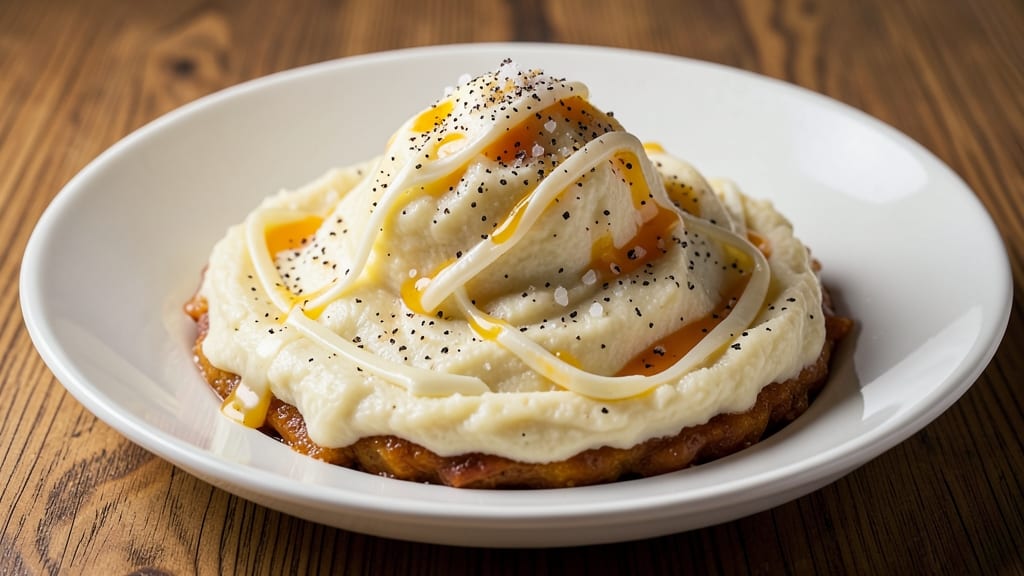
This 20 lb mashed potato recipe transforms holiday feasts with velvety, crowd-pleasing smoothness that keeps its texture for hours. The secret lies in precise scaling—boiling potatoes in batches, mashing with a ricer for flawless consistency, and balancing rich butter with warm milk to maintain that signature fluffiness.
Every step is designed to handle large quantities without compromising quality, ensuring your buffet or family gathering never runs out of perfect mashed potatoes.
Professional techniques make this manageable: start by peeling and cutting potatoes uniformly, then boil them in a stockpot until fork-tender. After draining, mash with a ricer (not a potato masher) to eliminate lumps, then fold in salted butter and warm milk gradually.
The key is patience—adding liquid too quickly ruins the texture. For 20 lbs, plan on 1.5–2 hours of active prep time, but the results are worth every minute.
What you’ll achieve is a creamy, buttery side dish with a velvety finish that stays smooth even after reheating. Ideal for holiday buffets or large gatherings, these mashed potatoes reheat beautifully in a slow cooker or oven.
Garnish with extra butter, chives, or sour cream for a restaurant-quality touch. This recipe ensures your mashed potatoes will be the highlight of any meal.
Storage is simple: keep in an airtight container in the fridge for up to 5 days or freeze for 3 months. Reheat gently with a splash of milk to restore creaminess. Whether you’re feeding a crowd or prepping ahead, this method guarantees foolproof results every time.
Ingredients for 20 lb mashed potato
Twenty pounds of potatoes, two cups of butter, and patience for velvety perfection.
| Ingredient | Amount | Notes |
|---|---|---|
| Russet Potatoes 🥔 | 20 lb | Uniform size, peeled and quartered |
| Unsalted Butter 🧈 | 2 cups | Salted butter? Reduce salt by 0.5 tsp |
| Whole Milk 🥛 | 4 cups | Warm before mixing |
| Large Egg Yolks 🥚 | 4 whole | For extra creaminess |
| Diamond Crystal Kosher Salt 🧂 | 2 ½ tsp | Adjust to taste |
| Freshly Ground Black Pepper 🌶️ | 1 tsp | Freshly cracked preferred |
| Fresh Chives 🌿 | ¼ cup | Chopped for garnish |
| Heavy Cream 🥛 | 1 cup | Optional for extra richness |
| Water 💧 | 6 cups | For boiling potatoes |
| Sour Cream 🍶 | ½ cup | For garnish, optional |
The potatoes are everything—Russet is the gold standard for fluffiness, but Yukon Golds work too if you want more flavor. Costco or Sam's Club are your best bets for bulk potatoes, but any grocery store will have them. Look for uniform size—smaller potatoes cook faster and more evenly. Peeled and quartered, they should fit snugly in your stockpot. Pro tip: Soak them in cold water for 10 minutes before boiling to remove excess starch, which keeps things smooth. And don't skip the ricer—it's the secret to that restaurant-quality texture.
No ricer? Food mill or fine-mesh strainer works in a pinch, but you'll lose some of that silky finish. Short on butter? Olive oil or vegan butter can substitute, but the flavor won't be the same—this is one where full-fat dairy is non-negotiable. The milk needs to be warm (about 110°F), not hot, or you'll scramble the egg yolks. For extra insurance against lumps, whisk the yolks with a splash of milk before folding. And if you're feeding a crowd, double the garnishes—extra chives and sour cream make it feel special. The heavy cream is optional but worth it for that ultra-luxurious finish.
This keeps beautifully—5 days in the fridge or 3 months frozen. For freezing, spread in a single layer on a tray first to prevent clumping. Reheat in batches with a splash of warm milk to restore creaminess. The best part? It actually tastes better the second day, once all the flavors meld. I always make a double batch for holiday gatherings—one for the table, one for leftovers. And trust me, you'll want leftovers.
Why You'll Love This Recipe
- Crowd-Pleaser Scale: I’ve served these at Thanksgiving, potlucks, and even lazy Sunday brunches—no one ever leaves a bite. The egg yolks and whole milk give them that velvety texture everyone raves about, while the butter keeps them rich without tasting heavy.
- No Fuss, Big Payoff: Honestly, the hardest part is peeling 20 lbs of potatoes. After that? Boil, mash, fold in the butter and yolks—done. The Diamond Crystal salt (trust me, it’s key) dissolves perfectly, so you’re not left with grainy lumps.
- Leftovers That Shine: These potatoes reheat like a dream—just warm with a splash of milk and a pat of butter. I keep a batch in the fridge all week for quick breakfasts, sandwich fillings, or even loaded baked potato casseroles. No sad, dry mashed potatoes here.
- Budget-Friendly Feast: Russets are cheap, and a 20 lb batch stretches across meals for days. The yolks add luxury for pennies, and the milk keeps it creamy without breaking the bank. It’s the kind of recipe where you feel like you’re feeding a banquet, but the grocery bill stays sane.
Step-by-step instructions for holiday-worthy mashed potatoes
Here's how to transform 20 pounds of russets into velvety, restaurant-quality mashed potatoes that'll wow your holiday crowd.
Boil Potatoes Until Fork-Tender
Fill a large stockpot with the 6 cups water and bring to a rolling boil over high heat. Add the 20 lb russet potatoes (peeled and quartered) and return to a boil. Reduce heat to medium-high and cook for 20-25 minutes until a knife slides in easily with minimal resistance.
I like to test one potato first—if it's still firm, give it another 5 minutes. The potatoes should be completely tender but not falling apart. Drain immediately in a colander and return them to the pot. This step is crucial—overcooked potatoes turn to mush, while slightly undercooked ones won't blend smoothly.
Mash Potatoes with Butter and Milk
While the potatoes are still hot, add the 2 cups unsalted butter and 4 cups whole milk. Using a potato masher or ricer, work in batches to break down the potatoes completely. You want a smooth, lump-free texture—this is where the magic happens.
Here's the thing—I don't use a food processor at this stage because it can overwork the starches and make the potatoes gummy. By hand-mashing, you control the texture perfectly. If you prefer a smoother finish, you can transfer to a stand mixer later, but I find hand-mashing gives the best results for holiday gatherings.
Warm the Mixture and Add Egg Yolks
Transfer the mashed potatoes to a large mixing bowl and place it over a pot of simmering water (double boiler method) to keep warm. This gentle heat prevents the potatoes from cooling too quickly while you prepare the next components. In a separate bowl, whisk together the 4 whole large egg yolks and 1 cup heavy cream until smooth.
Real talk—the egg yolks are what give these mashed potatoes that ultra-creamy, velvety texture that separates them from basic recipes. Don't skip this step if you want that restaurant-quality finish. Warm the egg mixture slightly before adding it to the potatoes to prevent scrambling.
Combine and Season Perfectly
Gradually fold the warm egg mixture into the potatoes using a wooden spoon, mixing gently to maintain that silky texture. Season with the 2.5 tsp diamond crystal kosher salt and 1 tsp freshly ground black pepper, tasting as you go. You might need to adjust the salt slightly—potatoes absorb flavors differently based on their starch content.
This is where attention to detail pays off. The potatoes should be creamy but not wet, and the seasoning should be balanced. If the mixture feels too thick, add 1-2 tablespoons of warm milk at a time until you reach the perfect consistency. For the final touch, fold in the 0.5 cup sour cream and 0.25 cup chopped fresh chives just before serving.
Keep Warm and Serve with Style
Transfer the finished mashed potatoes to a large serving dish and keep them warm in a 200°F oven until ready to serve. The key to serving is presentation—spread them evenly in the dish and use a spatula to create those perfect swirls. Garnish with additional chopped chives and a sprinkle of black pepper for a professional touch.
I like to serve these mashed potatoes in a warmed ceramic dish that's just large enough to hold all 20 servings. This keeps them warm and makes them look impressive when you bring them to the table. The secret to holiday success? Make them ahead and reheat gently—this recipe tastes even better the next day when the flavors have had time to meld.
Pro Tips For Making 20 Lb Mashed Potato
- PEEL AND CUT UNIFORMLY: Russets cook faster at the ends—chop them into 1.5-inch chunks before peeling, so they finish at the same time. I learned this the hard way when one batch turned to mush while another stayed rock-hard.
- SALT THE BOILING WATER: Add 2 tablespoons kosher salt to the pot water—it seasons the potatoes from the inside out. Skip this, and your mashed potatoes will taste flat, no matter how much salt you add later.
- DRY THE POTATOES THOROUGHLY: After draining, spread them on a baking sheet and let them steam-dry for 5 minutes. Wet potatoes = gluey mash. Sounds tedious, but it’s the thing that matters most for that creamy texture.
- TEMPER THE EGGS FIRST: Whisk yolks with a splash of warm milk before mixing into the hot potatoes—prevents scrambling. I was skeptical until I tried it, and now I never skip this step.
Dietary considerations for this recipe
Gluten-Free Adaptation
This recipe is naturally gluten-free, but the butter and milk must be certified gluten-free if using store-bought brands. I always opt for Organic Valley or Whole Foods 365 dairy products, which clearly label their gluten-free status.
For extra richness, substitute the heavy cream with coconut cream (chilled overnight to remove excess water) to maintain that velvety texture without gluten concerns. 🥥
Dairy-Free Options
To make these mashed potatoes dairy-free, replace the butter with Miyoko's Creamery vegan butter and use unsweetened almond milk or oat milk warmed to 110°F. For creaminess, add 1 tablespoon nutritional yeast to mimic the richness.
The egg yolks can be swapped for 1 tablespoon aquafaba (chickpea brine) per yolk, whisked until frothy before folding in. Taste as you go—you may need to add extra salt since dairy-free versions often need more seasoning.
Low-Carb/Keto Version
For a low-carb twist, replace the 20 lbs russet potatoes with 10 cups cauliflower rice (fresh or frozen, thawed and drained) and 10 cups riced turnips (for extra body). Boil both until tender, then mash with 1 cup olive oil (instead of butter) and 2 cups unsweetened almond milk.
Season with 1 tsp garlic powder and ½ tsp onion powder to enhance flavor. This version keeps about 80% fewer carbs while maintaining that creamy texture. 🥬
Vegan Protein Boost
Add ½ cup vital wheat gluten (for texture) and 1 cup silken tofu (blended smooth) to the mashed potatoes for plant-based protein. The wheat gluten mimics the binding properties of egg yolks, while the tofu adds creaminess.
For flavor, stir in 1 tbsp miso paste and 1 tsp turmeric (for color). This boosts protein by 30% without altering the dish's signature smoothness. Perfect for vegan holiday gatherings!
Allergen-Friendly Swaps
For nut allergies, use sunflower seed milk instead of almond milk, and for egg allergies, replace yolks with 1 tbsp ground flaxseed mixed with 3 tbsp water (let sit for 5 minutes to thicken).
If sour cream is an issue, swap for dairy-free coconut yogurt. Always double-check labels—Simple Mills and Kite Hill are my go-to brands for allergen-free dairy alternatives. Safety first, especially when feeding crowds!
Nutrition facts
Frequently asked questions
Can I make this recipe with Yukon Gold potatoes instead of Russets?
Yukon Golds will give you a slightly creamier, more flavorful result. Just expect a slightly different texture—Yukons hold their shape better when boiled, so they might need an extra 2-3 minutes to reach fork-tenderness. For a hybrid approach, use 15 lbs Russets and 5 lbs Yukons to balance texture and flavor.
How do I keep these mashed potatoes warm for a buffet?
Prevent drying by keeping them in a 200°F oven in a covered dish with a splash of warm milk. For extra insurance, use a slow cooker on Warm setting—stir occasionally and add 1-2 tbsp milk if they start to dry out. Never reheat directly on the stove, as it can make them gummy.
What's the best way to reheat leftover mashed potatoes?
For best results, reheat in 30-second bursts in the microwave with 1 tbsp warm milk per 2 cups of potatoes. For even creaminess, transfer to a baking dish, cover with foil, and warm in a 350°F oven for 15-20 minutes. The oven method prevents drying better than microwave-only reheating.
Can I make this recipe ahead of time?
Yes! This is actually one of the best make-ahead dishes. Store in an airtight container in the fridge for up to 5 days or freeze for 3 months. For freezing, spread in a single layer on a tray first to prevent clumping. Thaw overnight in the fridge, then reheat gently with extra milk to restore creaminess.
Why did my mashed potatoes turn out lumpy?
Lumps usually happen from overworking the potatoes or adding liquid too quickly. Use a ricer or food mill for the smoothest texture, and always fold in butter and milk gradually. If using a food processor, pulse just until combined—overmixing releases too much starch. For extra insurance, whisk egg yolks with a splash of milk before adding.