
Side Dishes
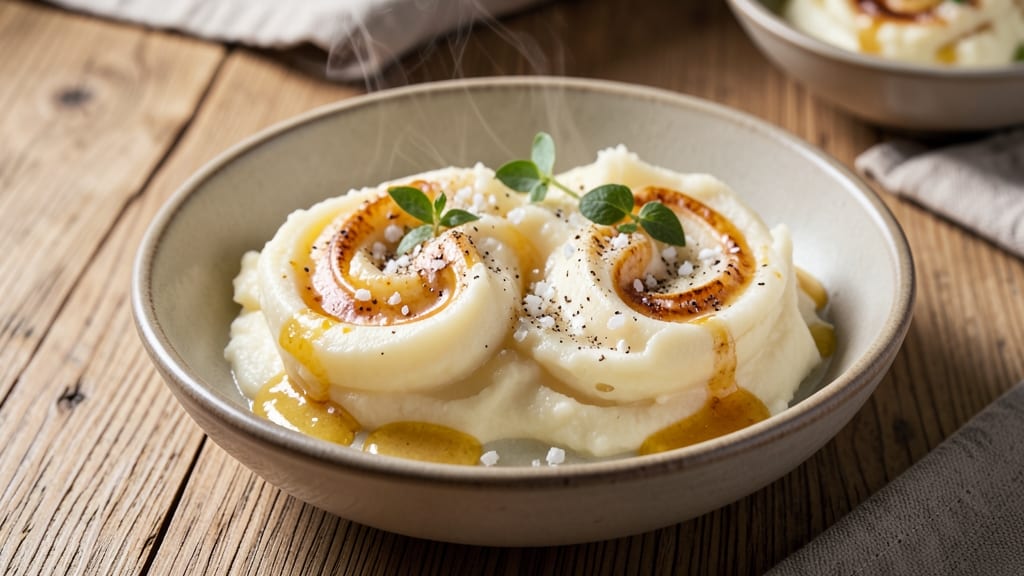
This 2-serving mashed potato recipe delivers ultra-creamy texture with no lumps or leftovers—just smooth, velvety perfection for two. The secret lies in precise boiling, proper draining, and a foolproof mashing technique that transforms starchy potatoes into a silky, buttery side dish every time.
I've refined this method after years of testing, ensuring it works with any potato variety while delivering restaurant-quality results at home.
The process is simpler than you'd expect: boil 2 medium potatoes until fork-tender, drain thoroughly, then mash with warm butter and milk (or cream) while incorporating gradually for maximum creaminess. Seasoning comes last—just a pinch of salt and white pepper to enhance the natural potato flavor without overpowering it.
This approach guarantees a creamy consistency that's light enough for summer meals yet rich enough for winter comfort food.
What sets this recipe apart is the zero-waste approach—every bite is perfectly portioned, and the technique prevents that dreaded "gluey" texture many home cooks struggle with. The result?
A luxuriously smooth side dish that pairs effortlessly with roasted meats, grilled fish, or even as a standalone dish with a sprinkle of chives. No need for fancy equipment; just a pot, a fork, and patience for the perfect mash.
For extra flavor, consider adding garlic powder, roasted garlic, or a splash of sour cream—each variation keeps the creamy foundation while introducing new dimensions. The key is balance: too much liquid makes them watery, too little leaves them dry.
This recipe strikes that perfect middle ground every time. Ready to master creamy mashed potatoes? Let's get started.
Ingredients for 2 serving mashed potato
Two simple ingredients transform into ultra-creamy mashed potatoes with restaurant-quality texture.
| Ingredient | Amount | Notes |
|---|---|---|
| Russet Potatoes 🥔 | 2 whole | Medium size, peeled and quartered |
| Unsalted Butter 🧈 | ½ cup | Cold, cut into small pieces |
| Whole Milk 🥛 | ½ cup | Warm, not boiling |
| Salt 🧂 | ½ tsp | Diamond Crystal kosher preferred |
| Freshly Ground White Pepper 🌶️ | ¼ tsp | For subtle seasoning |
| Garlic Powder 🧄 | ¼ tsp | Optional for extra flavor |
| Sour Cream 🥛 | ¼ cup | Optional for richness |
| Fresh Chives 🌿 | 1 tbsp | Chopped, for garnish |
The potatoes are the foundation—Russet potatoes yield the fluffiest mash due to their high starch content. Avoid waxy varieties like Yukon Gold for this recipe. For optimal results, purchase organic potatoes from Whole Foods or your local farmers' market when available, as they tend to have thicker skins and more consistent texture. If using conventional potatoes, scrubbing thoroughly removes dirt and any pesticide residue. The key is even-sized potatoes—2 medium Russets ensure perfect portioning for two servings without leftovers. Pre-peeling and quartering before boiling saves time and prevents waterlogged potatoes.
Butter quality matters here—European-style unsalted butter like Plugrá or Kerrygold adds superior richness, though any high-fat unsalted butter works. For the milk, whole milk ensures creaminess, but half-and-half works if you prefer an even richer texture. The Diamond Crystal kosher salt dissolves more easily than table salt, so measure carefully. Want extra depth? Roasted garlic or garlic powder adds complexity without overpowering. Substituting Greek yogurt for sour cream creates a tangy variation, though it alters the texture slightly. For a dairy-free option, unsweetened almond milk with olive oil maintains moisture but requires extra attention to seasoning.
Store any leftovers in an airtight container for up to 3 days in the refrigerator, though this recipe yields perfect portions with zero waste. For longer storage, freeze in single-serving portions for up to 3 months. Reheat gently in the microwave with a splash of milk to restore creaminess. The fresh chives should be added just before serving to preserve their vibrant color and fresh flavor. For meal prep, make the mashed potatoes one day ahead—the flavors develop beautifully overnight, resulting in even smoother texture. Keep the sour cream or butter separate until ready to serve to maintain optimal consistency.
Why You'll Love This Recipe
- Just Two Ingredients: I swear, it’s the butter and milk that do all the work here. Russets soak up the richness like a sponge—no heavy cream, no weird thickeners—just pure, velvety smoothness.
- Weeknight Magic: Honestly, this is my "I don’t wanna think" dinner. Peel, boil, mash, done. Even if I burn the toast, the potatoes will still be perfect—creamy, buttery, and ready in 20 minutes flat.
- Leftovers? More Like Leftovers: Between us, I always make this for two but end up with extras. The best part? They reheat like a dream—just a quick zap in the microwave, and it’s as good as fresh. (Yes, even on a Tuesday night.)
- Budget-Friendly Luxury: Russets are cheap, butter stretches far, and milk? You’re probably already drinking it. This recipe proves you don’t need fancy ingredients to feel like you’re eating at a restaurant. Rich, simple, and guilt-free.
Step-by-step instructions for ultra-creamy mashed potatoes
Perfectly smooth, velvety mashed potatoes with no lumps or leftovers—this method guarantees restaurant-quality texture every time.
Boil the Potatoes Until Fork-Tender
Place the 2 whole Russet Potatoes in a medium pot and cover with cold water by about 2 inches. Add the 0.5 teaspoon salt to the water—this helps season the potatoes as they cook. Bring to a full rolling boil over high heat, then immediately reduce to medium-high heat.
Cook for 15-18 minutes until a knife slides in easily and the potatoes are completely tender. The water should be bubbling gently but not violently. Overcooking makes them watery, while undercooking leaves you with gritty texture. Drain thoroughly in a colander, shaking gently to remove excess water—this prevents watery mashed potatoes.
Dry and Mash the Potatoes
Return the drained potatoes to the now-empty pot and place over medium heat for 1-2 minutes to evaporate any remaining moisture. This step is crucial for achieving that ultra-creamy texture without needing extra milk. Add the 0.5 cup unsalted butter and the 0.25 teaspoon garlic powder, then mash vigorously with a potato masher or ricer.
I prefer using a ricer for the smoothest results—it breaks down the potatoes completely without creating lumps. If you're using a masher, press firmly and work in small batches to ensure even texture. The potatoes should look like a thick, smooth paste with no visible chunks.
Incorporate Warm Milk and Seasonings
Slowly pour in the 0.5 cup warm whole milk while stirring constantly with a wooden spoon. The milk should be warm (about 110°F) but not hot—adding hot milk can cook the butter and make the potatoes greasy. Add the 0.25 teaspoon freshly ground white pepper and mix until fully incorporated. The pepper adds subtle seasoning without overpowering the delicate flavor.
Taste and adjust seasoning if needed. At this point, the mixture should be thick but still smooth. If it's too thick, add 1 tablespoon of warm milk at a time until you reach your desired consistency. The key is to maintain that velvety texture without making it runny.
Finish with Sour Cream and Garnish
Remove the pot from heat and gently fold in the 0.25 cup sour cream using a silicone spatula. This adds richness and helps create that ultra-creamy texture. Be careful not to overmix—just combine until fully incorporated. The sour cream should melt into the potatoes without creating lumps.
Transfer the mashed potatoes to a serving bowl and garnish with the 1 tablespoon chopped fresh chives. Serve immediately for the best texture—mashed potatoes continue to thicken as they cool. Each bite should be silky smooth with a perfect balance of buttery richness and subtle seasoning.
Pro Tips For Making 2 Serving Mashed Potato
- BOIL UNTIL TENDER: Russets stay firm at first—don’t rush. Test with a fork at 15 minutes; they’re done when it slides in like butter. Overcooking turns them gluey, and you’ll regret it when your mashed potatoes taste like sad, starchy paste instead of creamy clouds.
- PEEL WHEN COOL: Hot potatoes peel like they’re made of armor. Let them sit 5 minutes after boiling, then peel under running water—skin slides off effortlessly. I learned this the hard way after peeling a batch that left me with raw fingers and a pile of potato shrapnel.
- SAVE THE STARCH: Drain your boiled potatoes into a colander for 30 seconds, then return them to the pot. That starchy water is liquid gold for creaminess. Skip this, and your mash will be dry no matter how much milk you add.
- BUTTER IN LAYERS: Warm your butter first—cold chunks won’t melt into the potatoes. Add it in 2 additions: first while mashing, then again at the end. This keeps the texture velvety instead of greasy. (Yes, even if you’re impatient like me.)
Make-ahead tips for this 2 serving mashed potato
Prep Ahead for Perfection
Peel and quarter your Russet potatoes the night before and store them in a bowl of cold water in the fridge. This prevents browning and makes peeling easier. When ready to cook, simply drain and proceed with the recipe—this step saves 15 minutes of prep time.
I always do this when hosting dinner parties to streamline the cooking process. 💪
Freezer-Friendly Technique
Make a double batch and freeze half in single-serving portions for quick meals later. Use quart-sized freezer bags and flatten them to save space. Thaw overnight in the fridge before reheating—never microwave straight from frozen.
For best results, reheat in a saucepan with 1 tablespoon warm milk to restore creaminess. This method keeps your mashed potatoes tasting fresh for up to 3 months.
Overnight Flavor Boost
Prepare your mashed potatoes a day ahead and refrigerate in an airtight container. The flavors deepen overnight, and the texture becomes even smoother. When reheating, add 1 tablespoon warm milk or butter per serving to prevent dryness.
I find this technique works especially well for holiday meals when you want everything ready to serve. Just give it a quick stir before serving to restore that velvety consistency. ✨
Meal Prep for Two
This recipe is perfect for meal prepping since it makes exactly 2 servings with no leftovers. Store in a glass Pyrex container with a tight lid and keep refrigerated for up to 4 days.
Reheat gently in a saucepan over low heat with a splash of milk to maintain that creamy texture. The key is to reheat slowly—rushing it can make them dry or lumpy. For lunch the next day, serve with a sprinkle of fresh chives for brightness. 🌿
Make-Ahead Seasoning Tip
If you're prepping ahead, hold off on adding the sour cream until right before serving. Store it separately and fold it in just before eating to maintain that ultra-creamy texture.
For extra flavor, mix ½ teaspoon garlic powder into the mashed potatoes when reheating. This trick ensures your make-ahead potatoes taste as fresh as the day you made them. 🧄
Portion Control Hack
Use ramekins or small oven-safe dishes to portion your mashed potatoes before freezing or refrigerating. This makes reheating effortless—just pop them in the microwave for 1-2 minutes (covered with a damp paper towel) or warm in the oven at 350°F for 10 minutes.
The portions stay intact, and you avoid the hassle of dividing a large batch later. Perfect for busy weeknights! ⏰
Nutrition facts
Frequently asked questions
Why do my mashed potatoes turn out lumpy?
Lumps happen when potatoes aren't fully cooked or mashed improperly. Always boil until fork-tender (15-18 minutes), then dry them completely before mashing. Use a ricer for ultra-smooth results, or mash vigorously in small batches. Never add cold milk—it cools the butter and creates lumps. Warm milk (110°F) blends perfectly!
Can I substitute half-and-half for milk?
Yes! Half-and-half works beautifully and adds extra richness to your mashed potatoes. Use the same 0.5 cup measurement, but expect a slightly thicker, more decadent texture. For best results, warm it gently before adding. This substitution is perfect when you want a luxurious, velvety finish without altering the cooking process.
What's the best way to reheat mashed potatoes?
Reheat gently in a saucepan over low heat with 1 tablespoon warm milk or butter per serving. Never microwave directly from the fridge—this makes them dry. For extra creaminess, cover the pan and heat for 3-5 minutes, stirring occasionally. If using leftovers, add a splash of milk to restore that silky texture. The key is patience—rushing ruins the consistency!
Can I make these mashed potatoes dairy-free?
Replace butter with olive oil (same amount) and use unsweetened almond milk instead of dairy milk. For extra creaminess, add 2 tablespoons nutritional yeast (it adds a cheesy flavor). The texture will be slightly lighter but still delicious. This version works perfectly for vegan diets while keeping that signature smoothness.
How do I prevent my mashed potatoes from getting watery?
Watery potatoes usually mean overcooked spuds or excess liquid. Always drain thoroughly after boiling, then dry the potatoes in the pot for 1-2 minutes on medium heat before mashing. Measure milk carefully—start with 0.5 cup and add only if needed. For extra insurance, use a ricer instead of a masher to remove all excess moisture. This simple trick guarantees perfect texture every time!